How to choose a hunting pack
The right pack is a match between three things: how far you walk, how much you carry, and whether you’ll pack meat out on your back. Get those honest and the choice is easy.
Day pack vs frame pack vs freighter
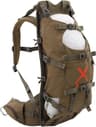
A day packcarries a day’s gear — layers, calls, snacks, a knife kit, a saw — comfortably on a molded harness, and it’s all most stand hunters ever need. A frame packadds a real frame that shifts weight to your hips, so it carries a heavier all-day or overnight load and can haul meat — a sensible one-pack-does-most choice. A freighter frameis built specifically to carry heavy, awkward meat loads; it’s the tool for hunters going deep into rugged country, and overkill for a field-edge sit.
Suspension and load carriage
A pack’s comfort under load is all about the suspension— the frame, the hip belt, and the shoulder straps working together to move weight onto your hips instead of hanging it off your shoulders. For a light day load it barely matters, but the moment you add deboned quarters, a real hip belt and frame are the difference between a manageable carry and a miserable one. If hauling meat is a genuine part of your hunting, prioritize the suspension over pockets and features.
Meat-hauling ability
The feature that separates a hunting pack from a hiking pack is the ability to carry meat. That can be a dedicated meat shelf (Badlands), a load area between the frame and a detachable bag (ALPS Commander), or an external load shelf(TIDEWE, Horn Hunter). Boning out the meat in the field — which is also the health-agency recommendation for handling deer — keeps the load lighter and cleaner to carry. If you’ll never pack quarters out, you can ignore this entirely and buy a simpler day pack.
Quiet and camo
A pack you wear into a stand needs to be quiet— no crinkly fabrics, no zippers that shriek, no buckles that clack against a tree as you climb. Brushed, soft-shell fabrics and covered or silenced hardware matter more for a whitetail hunter than they do for a Western hunter glassing from a distance, because your deer are close. Camo pattern matters far less than staying still and quiet; buy for the fabric’s noise, not the pattern on it.
Match the pack to the hunt
Buy the smallest pack that comfortably does your real job. A stand hunter near the truck is better served by a light, quiet day pack than by a half-empty freighter frame that fights him in a tight stand. A hunter working big timber miles from the road wants the frame and the hauling capacity. Be honest about which one you are — that single decision saves you money and spares you weight every sit.