Deer hunting gear
Hunting Optics
Rangefinders and binoculars for deer hunting — the glass that helps you find deer and the ranging that keeps an angled shot honest, compared on what actually matters inside bow and gun distance.
Optics are the two pieces of glass that do the quiet work of a deer hunt: a binocular to find deer and read a rack across a field, and a rangefinderto turn a distance into a confident aim point. Neither is glamorous, and both are easy to overspend on — so we compare them on what actually changes the outcome of a hunt, not on the numbers a spec sheet leads with.
For a rangefinder that means one feature above all: angle compensation. From an elevated stand, an arrow or a bullet follows the true horizontal distance to the deer, not the longer line-of-sight number — and a unit that does that math for you is the difference between a clean shot and one sailing high. For a binocular it means low-light performance: deer move in the first and last minutes of legal light, which is exactly when cheaper glass gives up. We’ll show you where the money is worth it and where a budget pick does the job.
Everything in Optics
Best Rangefinders for Deer Hunting
Angle-compensating rangefinders that give you the true distance to aim for — from a budget bow unit to a do-it-all long-range model.
Our top pick
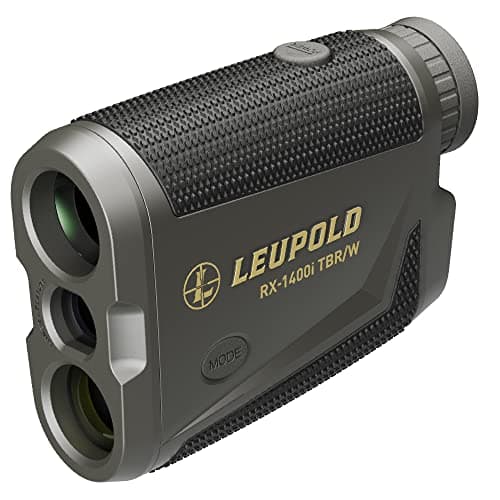
Leupold RX-1400i TBR/W Gen 2
$199.99 · View on AmazonPrice as of September 20, 2026. #ad How we’re funded
Best Binoculars for Deer Hunting
10x42 glass for judging racks and picking apart cover — from the value benchmark to premium low-light optics, plus honest budget picks.
Our top pick
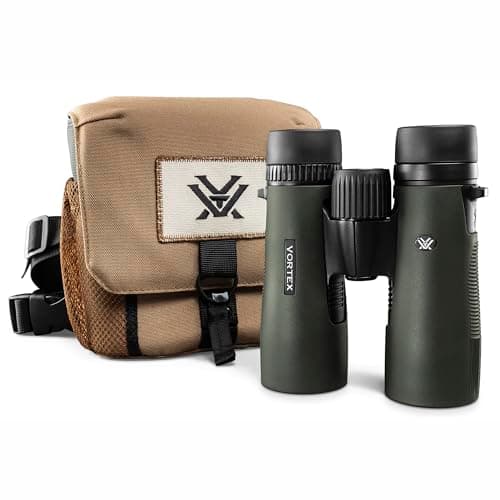
Vortex Diamondback HD 10x42
$240.00 · View on AmazonPrice as of September 20, 2026. #ad How we’re funded
Best Rangefinders Under $200
You don't need to spend big to range a deer — the units that give you an angle-compensated distance for around $200 or less.
Our top pick
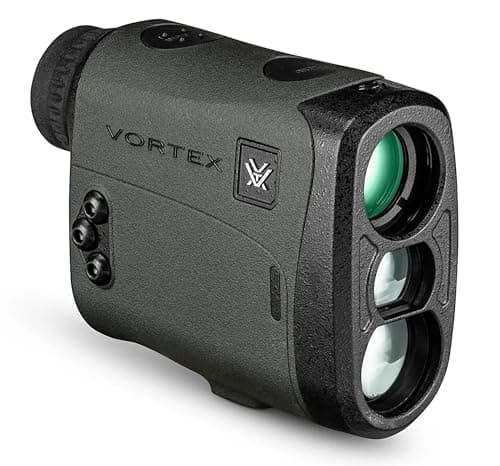
Vortex Sonora HD 1800
$184.87 · View on AmazonPrice as of September 20, 2026. #ad How we’re funded
Rangefinder vs Binoculars: Which to Buy First
If you can only buy one piece of glass this season, which earns its place first — and when you actually need both.
How to Choose a Hunting Rangefinder
Angle compensation, max range, magnification and bow modes — what actually matters for deer, and what's just marketing.
Binocular Magnification: 8x vs 10x for Deer
What the two numbers on a binocular mean, and why 8x42 or 10x42 is the deer-hunting answer almost every time.
Best Hunting Binoculars Under $200
Where the real money goes in a budget binocular, what you give up, and the five pairs worth buying below the two-hundred-dollar line.
Our top pick
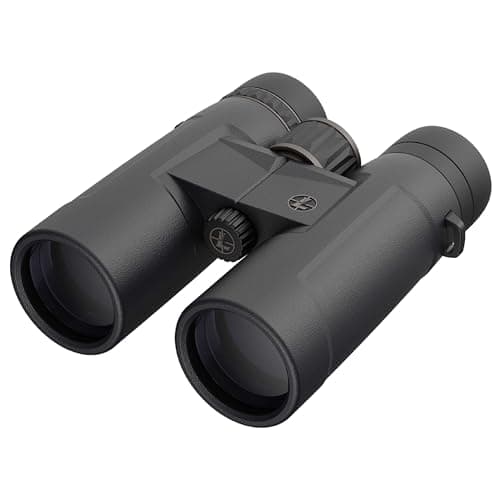
Leupold BX-2 Timberline HD 10x42
$199.99 · View on AmazonPrice as of September 20, 2026. #ad How we’re funded
Hunting vs Golf Rangefinder
They range the same distances with the same laser — but one is built to find a flagstick and the other to find a deer in brush. Which matters, and when a golf unit will do.
Best Rangefinder Binoculars
One device instead of two, at roughly the price of two good ones — and an honest look at whether a stand hunter needs it.
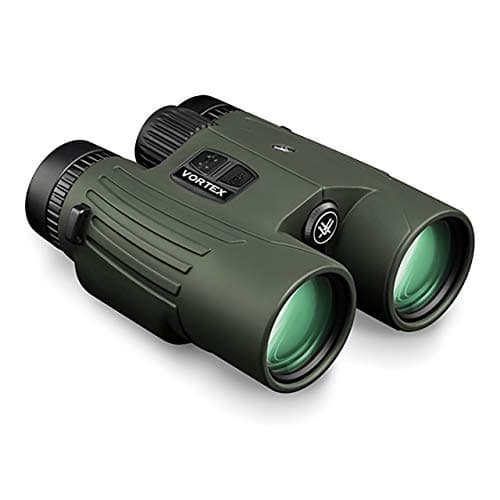
Our top pick
Vortex Fury HD 5000 10x42
Best Binocular Harnesses
A neck strap swings your glass into every climbing stick and sits where the bowstring travels. The cheapest fix in optics.
Our top pick
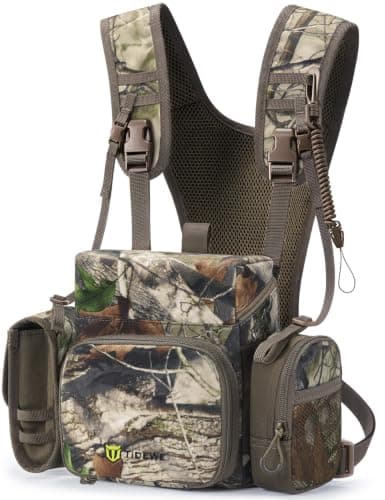
TIDEWE Binocular Harness Chest Pack, MOLLE + Silent Closure
$67.99 · View on AmazonPrice as of September 20, 2026. #ad How we’re funded

How much optics do you actually need for deer?
Less than the marketing implies, and more thought than most hunters give it. A 10x42 binocularis the whitetail default — enough magnification to judge a buck at distance, and a 42 mm objective that still gathers usable light at dawn and dusk. On a rangefinder, the headline “1,800 yard” reach is almost irrelevant: deer are shot close, and a unit that ranges accurately to a couple hundred yards with an angle-compensated readout is all a deer hunter will ever use.
Why angle compensation is the feature that matters
Shoot down at a deer from a stand and gravity only acts over the horizontalpart of that distance. Aim for the longer line-of-sight number and you shoot high — a miss, or worse, a wounded animal. An angle-compensating rangefinder (Leupold calls it TBR, Vortex calls it HCD) reads the angle and returns the distance you should actually aim for. If you hunt from a tree, this is non-negotiable. Our rangefinder buying guide walks through what else to look for.
Buy the glass for the light you hunt in
The money in a binocular buys brightness more than magnification. If you glass a lot and hunt the low-light edges of the day, better glass earns its price back in the minutes that matter. If you mostly confirm a deer you already see, a value binocular is plenty. Our magnification guide settles the 8x vs 10x question for deer.
Frequently asked questions
Do I need an angle-compensating rangefinder?
If you hunt from a tree stand or in hilly country, yes. An arrow or bullet follows the true horizontal distance on an angled shot, not the line-of-sight number, so a rangefinder that reads the angle and gives you the corrected distance keeps you from shooting high. On flat ground it matters less, but nearly every hunting rangefinder now includes it.
Is 8x or 10x better for deer hunting?
Both work; it depends on your ground. 8x42 is steadier to hold, has a wider field of view and suits timber and close cover, while 10x42 reaches a little farther for judging deer across fields and open country. For most whitetail hunters either is a right answer — the glass quality matters more than the last power of magnification.
How far does a hunting rangefinder need to reach?
Far less than the box advertises. Deer are shot at close range, so any unit that ranges accurately to a few hundred yards with an angle-compensated readout covers every realistic shot. Long reflective-range claims are measured off big, bright targets and mostly matter to long-range rifle shooters.
Do I really need both binoculars and a rangefinder?
Not to start. Most hunters get more early value from binoculars — finding and evaluating deer — and add a rangefinder when they bowhunt or hunt terrain where the exact distance decides the shot. Eventually most serious hunters carry both.
Sources
- Realtree — Can You Trust Angle-Compensating Rangefinders? — On why an arrow follows the true horizontal distance, not line-of-sight, on an angled shot from a stand (accessed July 22, 2026)
- National Deer Association — Understanding Deer Senses (Dr. Gino D'Angelo) — NDA research summary on the three senses that keep a deer alive — sight, hearing, and, above all, smell (accessed July 22, 2026)
- Bowhunting.com — How Far Should You Shoot With a Crossbow? — On ethical crossbow range for whitetail and how energy drops downrange (accessed July 22, 2026)