Deer hunting gear
Attractants & Feeders
Deer attractants, minerals and feeders — what actually pulls and holds deer, what the science says about minerals, and the legal and disease rules you must check before you put anything on the ground.
Attractants and feeders are the most heavily marketed — and most heavily regulated — corner of deer hunting, so we’ll lead with the two things every honest guide should say up front. First: baiting and feeding are illegal or restricted in many states, and the rules change by county and by CWD zone. You must verify your own regulations before you put anything on the ground. Second: minerals in particular are oversold — the science on whether they grow bigger bucks is far weaker than the packaging implies.
With those two truths on the table, there’s still a real, legal role for attractants and feeders where regulations allow: concentrating deer in front of a trail camera to inventory your herd, and offering supplemental nutrition in the off-season. Below we compare the attractants and feeders worth buying, explain how to use them without spooking deer, and lay out the legal and disease questions in plain language.
Everything in Attractants
Best Deer Attractants
Granular, mineral and liquid attractants compared on how they pull and hold deer — with a straight answer on which are worth it and where they're even legal.
Our top pick
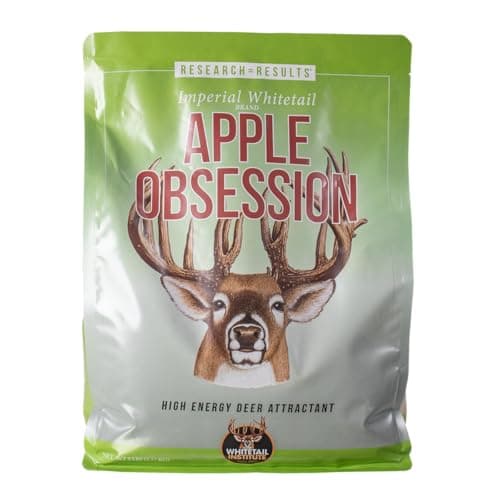
Whitetail Institute Apple Obsession
Best Deer Feeders
Hanging, tripod and gravity feeders compared on capacity, control and cost — the right feeder for a timed hunt site or a year-round protein program, where feeding is legal.
Our top pick
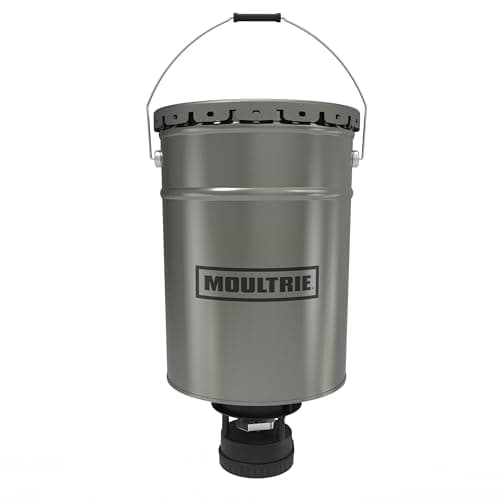
Moultrie All-in-One Hanging Feeder 40 lb
$79.99 · View on AmazonPrice as of September 20, 2026. #ad How we’re funded
Are Deer Attractants and Baiting Legal?
Baiting and feeding rules vary enormously by state and CWD zone — why they exist, how to read your regulations, and why you must verify before you hunt over bait.
How to Use Deer Attractants
Placement, timing and scent discipline — how to get the most from an attractant or mineral site, and the mistakes that spook deer instead of drawing them.
Attractants vs Food Plots
A quick-fix bait pile versus a real food source — the honest trade-off in cost, effort, legality and long-term results for holding deer on your ground.
How to Set Up a Deer Feeder
Where to site a feeder, how to fill and program it, and how to keep raccoons, hogs and spoiled feed from wrecking it — plus the rules to check first.
Homemade Deer Attractant Recipes
What a home-mixed attractant can and cannot do, the recipes hunters actually use, and the legal and disease reasons some of them are a bad idea.
Best Deer Scents and Lures
Estrus, scrape scent, drippers and cover scent — which of the four actually earn their place, and the urine rules to check first.
Our top pick
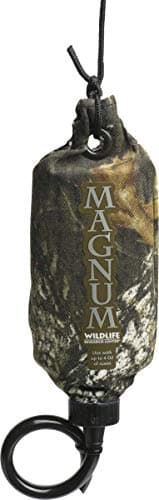
Wildlife Research Center Magnum Scrape Dripper
$16.28 · View on AmazonPrice as of September 20, 2026. #ad How we’re funded
Best Deer Calls
Grunt tubes, bleat cans, rattling bags and antlers — what each sound is for, when it works, and the research on how often bucks actually come.
Our top pick
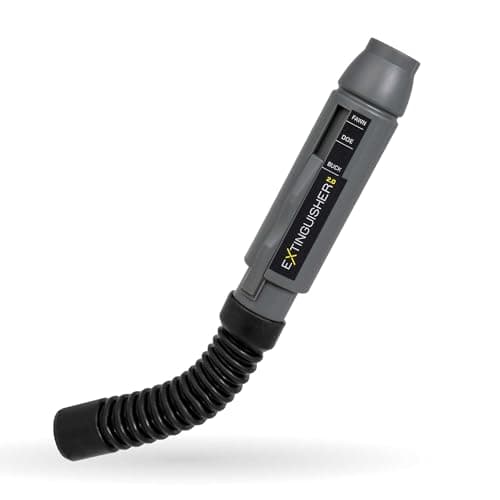
Illusion Extinguisher Deer Call
$24.97 · View on AmazonPrice as of September 20, 2026. #ad How we’re funded

The honest truth about attractants and minerals
Attractants work — deer are drawn to novel, high-value food and to minerals their natural range may lack. But two caveats decide whether they’re worth your money and your risk.
Minerals are not magic antler-growers
The National Deer Association’s position, based on the research, is blunt: there is no scientifically documented antler or health benefitfrom mineral supplements for wild deer, though they may help where soils are genuinely mineral-deficient. Age and nutrition — letting bucks get older with access to good food — are what actually grow big antlers. A mineral site is a fine camera attractant; it is not a shortcut to a booner.
Concentrating deer carries a disease cost
Anything that gathers deer at a single spot — bait or feed — increases nose-to-nose and nose-to-ground contact, which is exactly how diseases like CWD spread. That’s the reason so many states ban or restrict it. It’s also why, where baiting is legal, thoughtful hunters weigh the trade-off rather than defaulting to a year-round pile. Start with our legality and rules guide before you buy anything.
Frequently asked questions
Is it legal to use deer attractants or bait?
It depends entirely on where you hunt. Baiting and feeding deer are legal in some states, restricted to certain seasons or counties in others, and completely banned in many — often as part of chronic wasting disease management. The rules also change frequently. You must check your state wildlife agency's current regulations for your specific hunting location before using any attractant, bait or feeder.
Do deer mineral supplements actually grow bigger antlers?
The evidence says not reliably. The National Deer Association's research-based position is that there's no scientifically documented antler or health benefit from mineral supplements for wild deer, though they may help in areas with mineral-deficient soils. Age and quality nutrition are what drive antler size — a yearling buck is still a yearling buck no matter how much mineral you put out. Minerals are most useful as a trail-camera draw, where legal.
Do attractants and feeders spread disease?
They can increase the risk. Concentrating deer at a single bait or feed site raises direct animal-to-animal contact and indirect contact with contaminated soil, which is a documented way diseases like CWD spread. This is why many states ban or restrict baiting and feeding. Where it's legal, spreading feed out and moving sites can reduce — though not eliminate — the concentration effect.
What's better, an attractant or a food plot?
For long-term results, a real food source usually wins. An attractant or bait pile is a quick, cheap draw that works for a short window and is heavily regulated. A food plot takes more effort and land access but provides genuine nutrition, holds deer over months, and is legal in far more places. Many hunters use both where allowed — but if you can only do one, a food plot is the more durable investment.
Sources
- National Deer Association — Minerals for Whitetails — NDA's evidence-based position: no scientifically documented antler or health benefit for wild deer, though supplements may help where soils are mineral-deficient; age and nutrition drive antler size (accessed August 7, 2026)
- National Deer Association — Can Baiting and Feeding Really Spread Deer Diseases Faster? — NDA on how concentrating deer at bait and feed sites increases direct and indirect contact and the spread of diseases including CWD (accessed August 7, 2026)
- CDC — About Chronic Wasting Disease (CWD) — Federal guidance: wear gloves when field-dressing, bone out the meat, minimize handling of brain and spinal tissue, and consider testing before eating meat from CWD areas (accessed August 7, 2026)