Deer hunting gear
Field & Processing Gear
Knives, packs and the gear that goes to work after the shot — chosen for the job of field-dressing a deer and getting it back to the truck, with the safety and legality that come with handling game.
Most gear guides stop at the shot. But the work that decides whether you eat well — and stay safe — starts the moment a deer is down: field-dressing it, cooling the meat fast, and getting it back to the truck. The tools for that job are unglamorous and easy to get wrong. A knife that dulls halfway through, a pack that can’t carry a load, or careless handling in a disease area can each turn a good hunt into a bad afternoon.
This is the category for the after-the-shot gear: the knife you’ll actually use to open and skin a deer, the pack that carries your gear in and your venison out, and a step-by-step field-dressing guide built around the current federal safety guidance for handling deer. We keep the picks honest — most whitetail hunters buy far more knife and far more pack than the job needs, and we’ll tell you where the money is wasted.
Everything in Field Gear
Best Hunting Knives for Deer
Replaceable-blade, folding and fixed knives compared on the real job — field-dressing and skinning a whitetail — from a budget workhorse to a buy-it-for-life blade.
Best Hunting Backpacks for Deer
Day packs, frame packs and freighter haulers compared for whitetail — enough pack to carry your gear in and, when the day comes, quarters back out.
Our top pick
Horn Hunter Full Curl Light Frame
$161.52 · View on AmazonPrice as of September 20, 2026. #ad How we’re funded
How to Field Dress a Deer
A clean, step-by-step method for field-dressing a whitetail — with the CDC's disease-safety precautions built in, so you cool the meat fast and handle it right.
Fixed Blade vs Folding Hunting Knife
Strength and easy cleaning versus pocketable convenience — the honest trade-off between a fixed blade and a folder for field-dressing deer.
How to Choose a Hunting Knife
Blade style, steel, fixed vs folding vs replaceable — what actually matters in a knife you'll use to dress deer, and what's just marketing.
How to Choose a Hunting Backpack
Day pack, frame pack or freighter — how to size a hunting pack to how and where you hunt, and why most whitetail hunters buy too much pack.
Best Hunting Headlamps
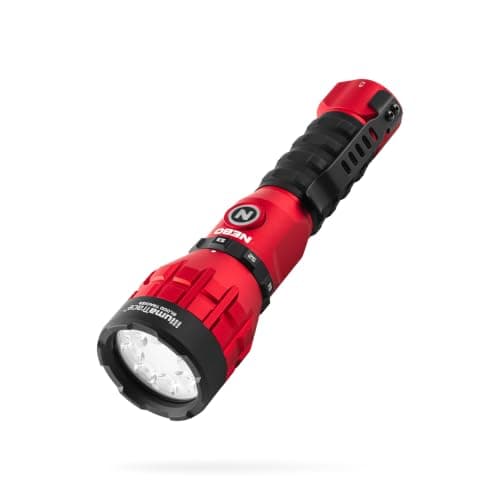
Red for the walk in, green for the blood trail, white for the drag out — the lamps that cover all three, and the specs that beat raw lumens.
Our top pick
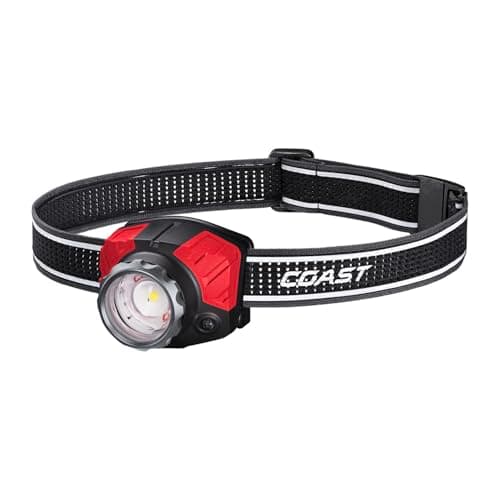
Coast FL85R Tri-Color
$43.13 · View on AmazonPrice as of September 20, 2026. #ad How we’re funded
Best Knife Sharpeners for Hunting Knives
Field sharpeners, guided bench systems and flat stones compared — what each one is for, and which pull-through will quietly ruin a good blade.
Our top pick
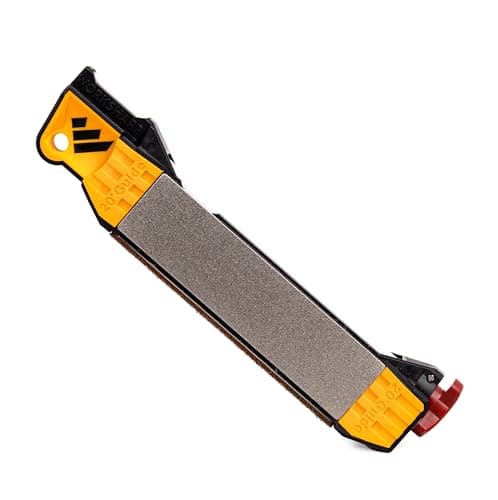
Work Sharp Guided Field Sharpener
$39.95 · View on AmazonPrice as of September 20, 2026. #ad How we’re funded
How to Sharpen a Hunting Knife
Finding the angle your blade is already ground to, working the grits in order, and knowing when you're done — the whole process, without the mysticism.
Best Blood Tracking Lights
Filtered light that makes blood contrast against leaf litter — plus how long to wait before you start, by shot type.
How to Quarter a Deer
The gutless method, in order — how to get meat out of ground you cannot drag from, and cool it before the walk out costs you the venison.
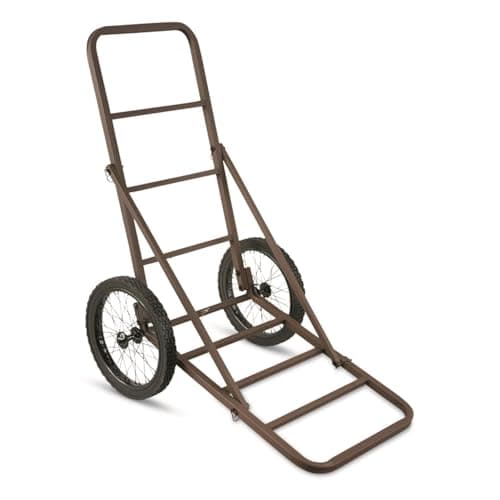
Best Deer Carts and Game Haulers
Wheel diameter, not capacity, is the spec that decides whether a cart rolls over a root or stops on it — plus the drag harness that beats every cart in snow and thick cover.
Our top pick
Guide Gear Deluxe Deer Cart
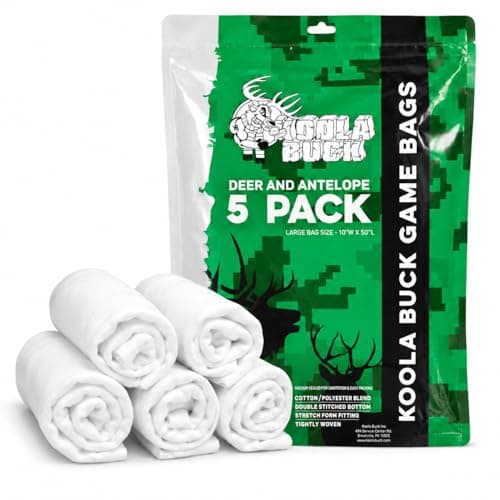
Best Game Bags for Deer
Quarter bags and whole-carcass bags compared on the two things that matter — air through the fabric and flies kept off it — plus why almost every set ships one bag short.
Our top pick
Koola Buck Standard Series Deer Quarter Bags, 5-Pack
$23.99 · View on AmazonPrice as of September 20, 2026. #ad How we’re funded
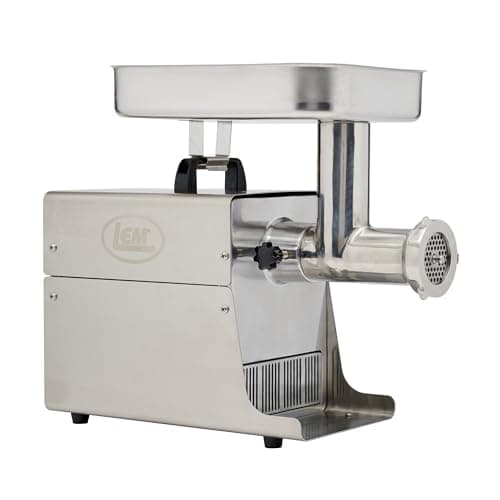
Best Meat Grinders for Deer
Sized to the deer you actually process — #8, #12, #22 and a manual grinder compared on claimed output, cleanup and warranty, plus why cold meat beats any wattage figure.
Our top pick
LEM Products BigBite #8 Meat Grinder, 0.5 HP
The after-the-shot gear that actually matters
A deer down is a clock starting. Field-dressing promptly and cooling the carcass is what protects the meat, and doing it cleanly is what protects you. You don’t need a drawer of specialty tools — you need one sharp knife you trust, a way to carry the animal out (our deer cart picks cover the wheeled version of that job), something breathable to keep the meat clean and cooling on the way home (our game bag picks), a grinder if you process your own (our meat grinder picks), and a little knowledge about handling game safely.
Sharp beats big
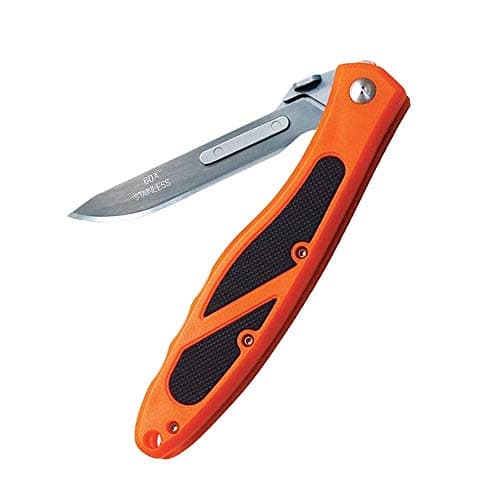
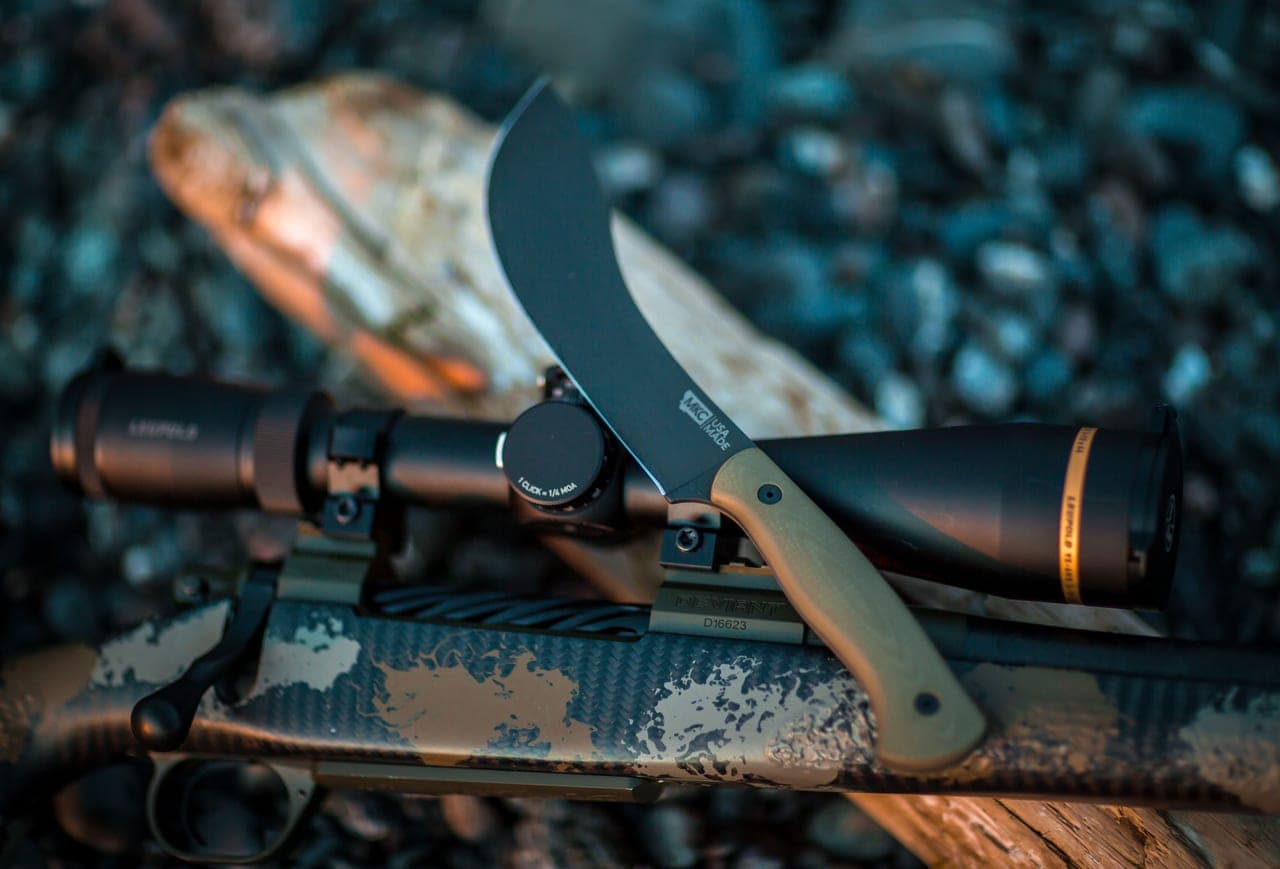
For field-dressing and skinning a whitetail, a sharp, modest blade beats a big survival knife every time. A three-to-four-inch blade — whether a replaceable-blade system that stays scalpel-sharp, a folding lockback, or a simple fixed blade — does the whole job with more control and less risk than a heavy chopper. Our knife roundup and buying guide cover the real trade-offs.
Handle deer like the health agencies advise
Chronic wasting disease has changed how careful hunters need to be. Federal guidance is to wear gloves when field-dressing, bone out the meat, minimize handling of brain and spinal tissue, and — in areas where CWD occurs — have the animal tested before eating it. None of that is hard; it’s just habit worth building. Our field-dressing guide walks the whole process with those precautions built in.
Frequently asked questions
What kind of knife is best for field dressing a deer?
A sharp blade in the three-to-four-inch range with good control — not a big fixed blade. Many hunters love replaceable-blade knives because they stay scalpel-sharp through the whole job with no field sharpening; others prefer a folding lockback or a simple fixed blade they can re-sharpen. Any of them works. What matters most is that it's genuinely sharp and you're comfortable using it.
Do I need a big backpack to hunt deer?
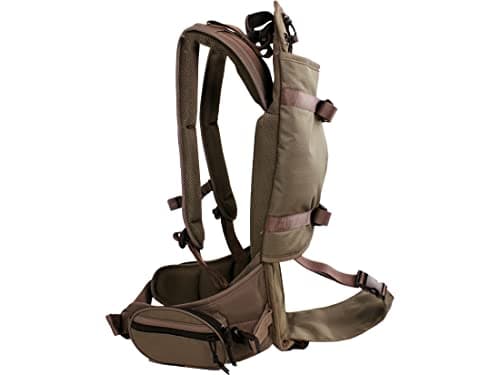
Usually not. Most whitetail hunting is a walk to a stand and back, which a comfortable day pack handles easily. A frame or freighter pack earns its weight only if you hunt big or rugged country where you have to carry deboned quarters a long way. Buy the pack for how you actually hunt, not for a Western elk trip you're not taking.
How should I handle a deer to avoid chronic wasting disease?
The CDC advises hunters to wear gloves when field-dressing, bone out the meat, minimize handling of the brain and spinal cord, and avoid eating an animal that looks sick. In areas where CWD has been found, have the deer tested before you eat it and don't consume tissues known to harbor the agent — brain, spinal cord, eyes, spleen, tonsils and lymph nodes. Check with your state wildlife agency about CWD areas and testing.
How soon do I need to field dress a deer?
As soon as it's safe to do so. Field-dressing removes the internal organs and lets body heat escape, which is the key to protecting the meat — especially in warm early-season weather. The longer a whole carcass holds its heat, the more the meat is at risk, so most hunters dress a deer where it falls or a short drag away, then work to cool it quickly.
Sources
- CDC — About Chronic Wasting Disease (CWD) — Federal guidance: wear gloves when field-dressing, bone out the meat, minimize handling of brain and spinal tissue, and consider testing before eating meat from CWD areas (accessed August 7, 2026)
- National Deer Association — Nonprofit deer & habitat conservation organization; hunter education and research (accessed July 22, 2026)