Deer hunting gear
Hunting Clothing
Base layers, scent control and cold-weather jackets for deer season — how to build a warm, quiet, scent-smart layering system instead of buying one do-everything coat.
Staying on stand until last light is a clothing problem before it is a willpower problem. The hunter who goes home cold almost always made the same mistake — one heavy coat over a cotton shirt — and the fix isn’t a warmer coat. It’s a layering system: a base layer that keeps your skin dry, a mid layer that traps warm air, and a shell that blocks wind and rain. Build that, and you can hunt colder and longer than any single jacket allows.
The other job your clothing does is stay quiet and hard to smell. A scratchy shell that rasps on a bow draw costs you the shot; a base layer that holds odor hands a mature buck the one clue he needs. So we treat clothing the way we treat the rest of the kit — on the details that actually change a hunt: warmth for how still you sit, breathability for how far you walk, quiet fabric for bow season, and the honest limits of scent control against a deer’s nose.
Everything in Clothing
Best Base Layers for Deer Hunting
The layer against your skin decides whether you stay warm and dry on a cold sit — merino and synthetic picks compared for warmth, wicking and scent.
Our top pick
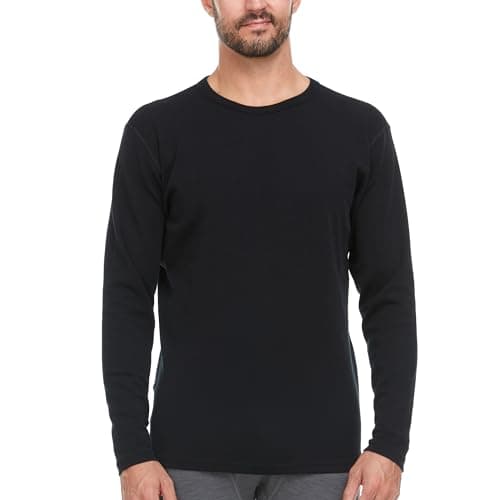
Minus33 Midweight Merino Wool Crew
$89.99 · View on AmazonPrice as of September 20, 2026. #ad How we’re funded
Best Scent Control for Deer Hunting
Sprays, washes and ozone that lower your odor at the source — plus the honest limits of what any of it can do against a deer's nose.
Our top pick
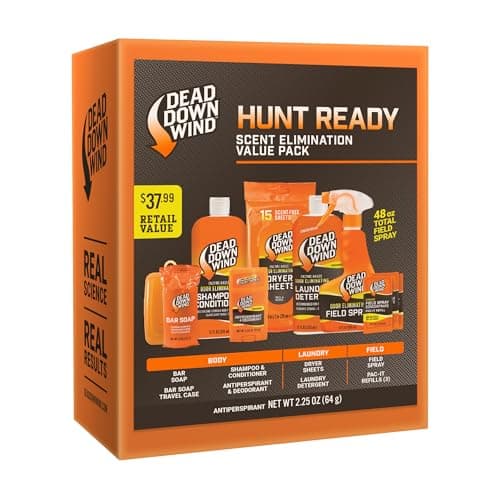
Dead Down Wind Hunt Ready 10-Piece Kit
$29.97 · View on AmazonPrice as of September 20, 2026. #ad How we’re funded
Best Cold-Weather Hunting Jackets
Insulated parkas, quiet fleeces and waterproof shells for the late-season stand — the outer layers that keep a still hunter in the woods.
Our top pick
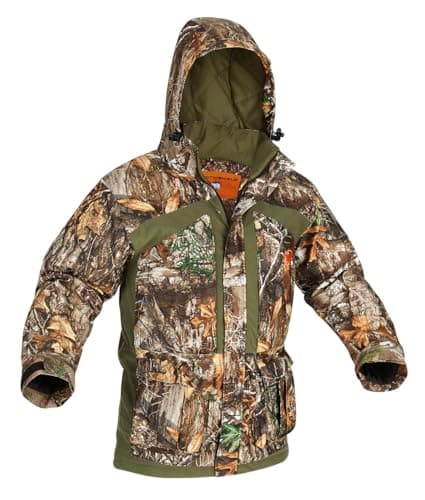
ArcticShield Classic Elite Parka
$199.99 · View on AmazonPrice as of September 20, 2026. #ad How we’re funded
King's Camo Hunter Series Review
A close look at King's Camo's quiet windproof fleece — what it does well, where it fits in a layering system, and who it's for.
The Hunting Layering System, Explained
Base, mid and shell — how the three-layer system keeps you warm and dry, and why one heavy coat never will.
How to Wash Hunting Clothes for Scent Control
Scent-free detergent, no fabric softener, and how to store clothes so a clean wash isn't wrecked before you reach the stand.
Best Hunting Gloves
Warm hands and a shootable hand are two different problems — the gloves, mittens and liners that solve each, and the two-piece system that solves both.
Our top pick
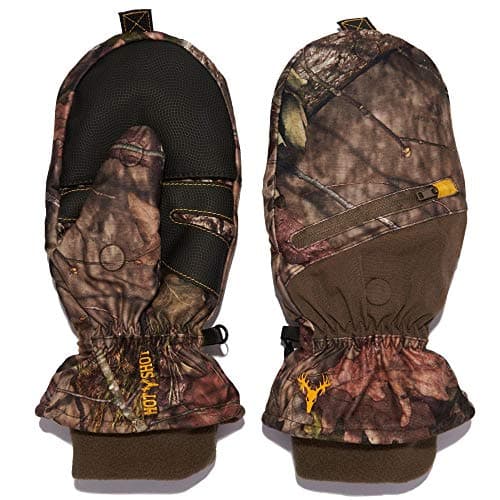
HOT SHOT Camo Huntsman Pop-Top Mitten
$34.99 · View on AmazonPrice as of September 20, 2026. #ad How we’re funded
Merino vs Synthetic Base Layers
Wool holds odor inside the fiber and synthetics dry faster and cost less — which trade matters depends on how far you walk and how long you sit.
Best Hunting Bibs
The cold that ends a sit comes up through the seat and in at the waist — a jacket cannot close either gap.
Our top pick
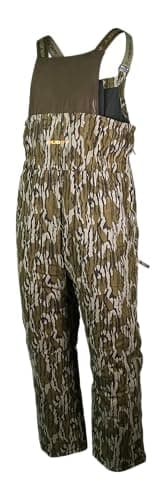
Muddy Outdoors TRX Insulated Bib
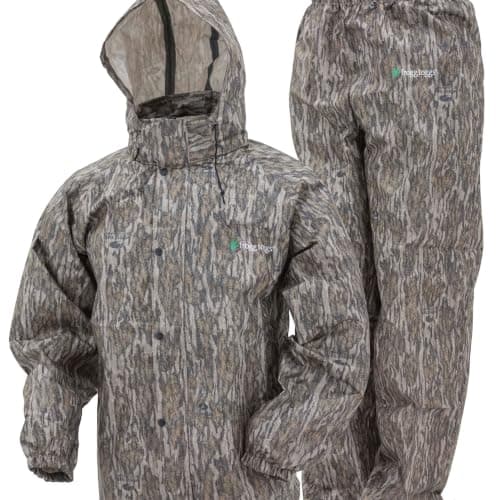
Best Hunting Rain Gear
Deer move in rain. The suit you actually carry beats the better one in the truck, and wet legs end a sit before a wet jacket does.
Our top pick
FROGG TOGGS Classic All-Sport 3-Layer Rain Suit (Camo)
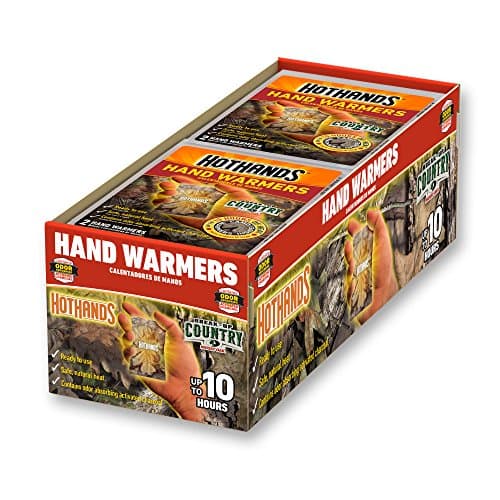
Best Hand Warmers and Hand Muffs
Air-activated, rechargeable or catalytic — which heat source is worth carrying, why a muff beats a glove for a bowhunter, and the one that smells like fuel.
Our top pick
HotHands Mossy Oak Camo Hand Warmers (40 Pair)
$19.99 · View on AmazonPrice as of September 20, 2026. #ad How we’re funded
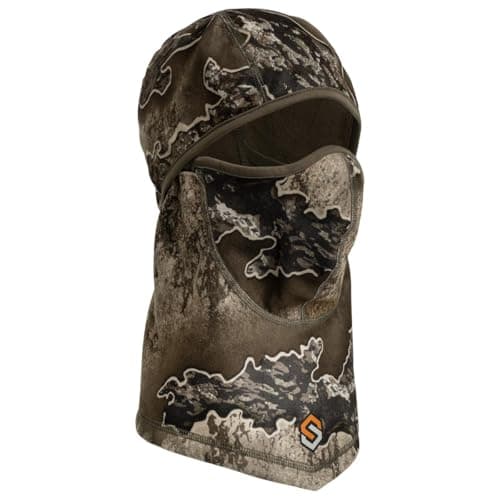
Best Hunting Face Masks and Headwear
Mesh masks, balaclavas, beanies, skull caps and gaiters compared — plus why a mask you have to take off to shoot is a mask you stop wearing at daylight.
Our top pick
ScentLok Midweight Headcover
Build a system, not a wardrobe
The three-layer system is the whole idea, and it’s worth understanding before you buy anything. The base layer against your skin moves sweat away and keeps insulating even when it’s damp — which is why it’s merino or synthetic, never cotton. The mid layer (a fleece or light puffy) is the furnace: it traps a cushion of warm air. The shell— an insulated parka for a still sit, a waterproof jacket when it’s wet — keeps wind and rain from stripping all of that away. Our layering guide shows how the pieces fit together.
Match the layers to how you hunt
The mistake that ends sits is sweating on the walk in and then freezing once you stop moving. Federal cold-safety guidance is blunt about it: dress in several loose layers and keep that base layer dry. So carry layers and shed them for the walk, then add them back on stand. A hunter who hikes a mile to a saddle needs a very different setup from one who parks fifty yards from a box blind. And because cold hands end more sits than cold anything else, our hand warmer and muff picks cover the heat source that goes inside the system, and our face mask and headwear picks cover the part of you that stays uncovered longest.
Scent control starts with your clothes
No spray beats a whitetail’s nose, and the first rule is still to hunt the wind. But your clothing is the biggest scent surface you carry, so washing it in scent-free detergent, storing it away from the house and truck, and dressing at the trailhead does more than misting your jacket in the parking lot. See our scent-control roundup for the honest hierarchy of what works.
Frequently asked questions
What should a deer hunting layering system look like?
Three layers: a base layer (merino or synthetic, never cotton) that wicks sweat and keeps you dry; a mid layer like a fleece or light puffy that traps warm air; and a shell — an insulated parka for still sits or a waterproof jacket for rain and wind. You add and shed layers to match how much you're moving, which lets one system cover a wide range of temperatures.
Why can't I hunt in cotton?
Cotton soaks up sweat and holds it against your skin, then robs heat as it dries — the classic path to a miserable, cold sit. Merino wool and synthetics move moisture away and keep insulating even when damp, which is why every base layer worth owning is one or the other.
Does scent-control clothing actually work?
It reduces your odor; it does not make you invisible to a deer's nose. The biggest wins are hunting the wind, showering scent-free, washing clothes in scent-free detergent, and storing them clean until you dress at the truck. Sprays and ozone are useful top-ups, not a substitute for playing the wind.
How warm a jacket do I need?
It depends on how still you sit. A late-season stand hunter who barely moves needs a heavily insulated parka; a hunter who walks and still-hunts needs breathable layers they can shed. Buy the shell for your coldest, stillest sits and let the mid layer do the adjusting.
Sources
- CDC / NIOSH — Cold Stress: Cold and Work — Federal cold-safety guidance: dress in several loose layers, keep the base layer dry, and protect the extremities (accessed July 22, 2026)
- 3M — Thinsulate Insulation — Manufacturer reference on Thinsulate synthetic insulation and gram weights (accessed July 22, 2026)
- National Deer Association — To Beat a Buck's Nose, Remember Thermals — NDA on how wind and thermals carry human scent — why playing the wind beats trusting scent products alone (accessed July 22, 2026)