Deer hunting gear
Bows & Archery
Compound bows and broadheads for deer hunting — how to pick a rig you can draw and shoot well, and the heads that put it in the boiler room. Honest about the draw weight and cut a whitetail actually needs.
A compound bow is the most demanding way to hunt a whitetail, and the most rewarding. Unlike a crossbow you can hand a beginner in an afternoon, a vertical bow asks for practice — but the payoff is a longer season in most states, closer encounters, and a skill that keeps paying off. The gear question underneath all of it is simpler than the marketing makes it sound: a bow you can draw and hold comfortably from a seated position, and a broadhead that flies true and drives through.
We rank bows on fit and value, not the headline arrow speed on the box. For a deer inside 30 or 40 yards, the difference between a 305-fps bow and a 340-fps bow is meaningless compared with whether you can shoot the thing accurately when your hands are cold and a buck is under your stand. Below is the honest map: the bows worth buying, the broadheads that put them to work, and the plain-English guides that answer the questions a first-year archer actually has.
Everything in Bows
Best Compound Bows for Deer Hunting
From budget ready-to-hunt packages to adjustable do-everything rigs — the compound bows that make sense for whitetail, ranked on fit and value over headline speed.
Our top pick
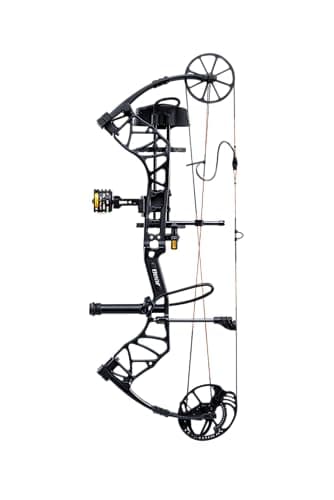
Bear Archery Species XT RTH
Best Broadheads for Deer Hunting
Fixed and mechanical heads compared on what puts a deer down — flight, penetration and cut — with an honest note on matching the head to your bow's energy.
Our top pick
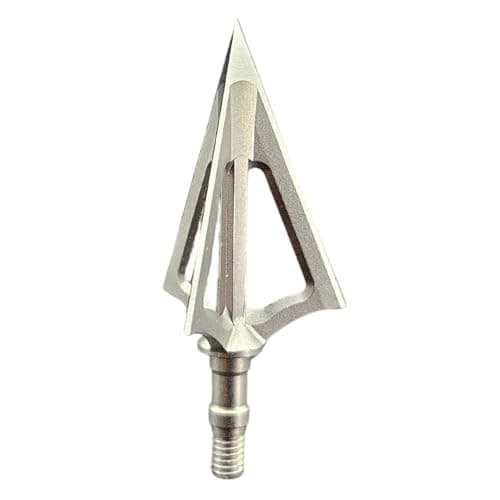
G5 Outdoors Montec 100gr
$44.94 · View on AmazonPrice as of September 20, 2026. #ad How we’re funded
Best Compound Bows for Beginners
The most forgiving, adjustable compound bows for a first-season archer — ready-to-hunt packages that grow with you instead of ones you'll outgrow.
Our top pick
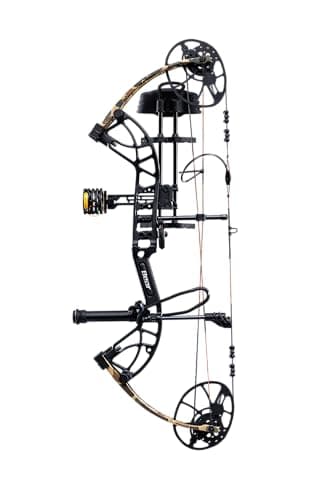
Bear Archery Cruzer G4 RTH
$419.99 · View on AmazonPrice as of September 20, 2026. #ad How we’re funded
Fixed vs Mechanical Broadheads
The real trade-off between a fixed blade and an expandable — flight, penetration and forgiveness — and which one matches your bow and your shots.
What Draw Weight Do You Need for Deer?
How much draw weight it actually takes to kill a whitetail cleanly, why kinetic energy matters more than the number, and why more poundage than you can shoot well is a mistake.
How to Choose a Compound Bow
Draw length, draw weight, brace height, axle-to-axle and package value — what actually matters when you buy your first deer-hunting bow, in plain English.
Best Hunting Arrows for Deer
The arrow is the only part of your setup that touches the deer — the shafts worth shooting, compared on spine, straightness and what each one actually buys you.
Our top pick
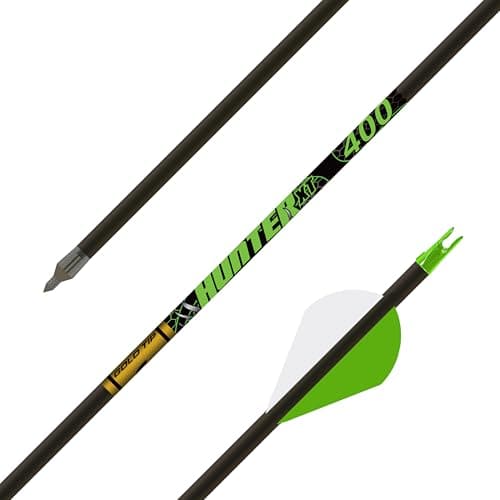
Gold Tip Hunter XT (340)
$74.99 · View on AmazonPrice as of September 20, 2026. #ad How we’re funded
How to Choose Hunting Arrows
Spine, length, total weight, FOC and straightness — the five numbers that decide whether your broadheads fly where your field points do.
Best Bow Sights
Fixed pins, a single pin on a dial, or a pendulum that handles the treestand angle for you — three answers to the same question.
Our top pick
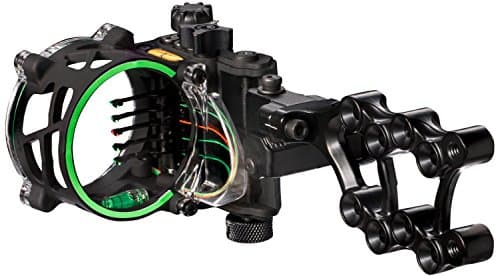
Trophy Ridge Fix 5-Pin Bow Sight
Best Release Aids
The one part of a compound setup that can teach you a flinch — trigger quality and a silent strap are what stop it.
Our top pick
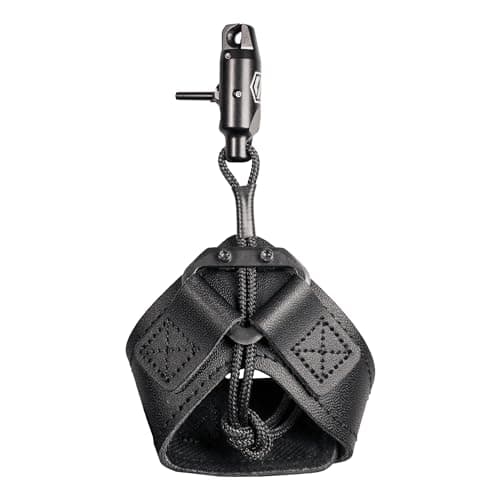
Scott Archery Quick Shot Buckle Strap Release
$44.99 · View on AmazonPrice as of September 20, 2026. #ad How we’re funded
Best Archery Targets for Bowhunting
Bag, layered foam, self-healing and 3D — which one stops a broadhead, which one survives a crossbow, and why the FPS rating is the spec that decides.
Our top pick
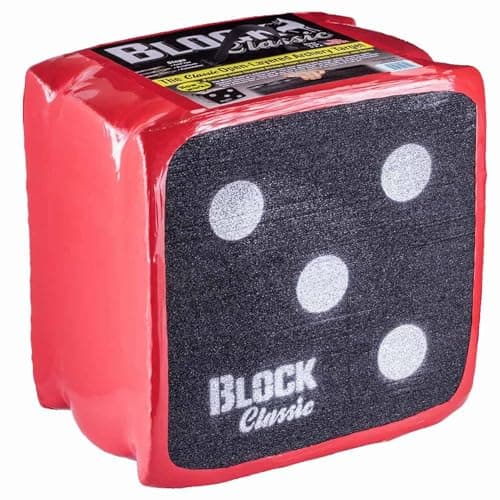
BLOCK Classic Layered Foam Target



How much bow does a deer actually need?
Less than the spec race implies. A whitetail is a thin-skinned animal with light bone structure over the vitals, and it is killed by a sharp broadhead passing cleanly through both lungs — not by raw speed. What matters is delivering enough kinetic energy to punch through and, ideally, get a pass-through and two holes to bleed. Kinetic energy is a product of arrow weight and speed, and a modern compound set to a draw weight you can actually shoot well produces far more than the energy commonly cited as an ethical whitetail minimum.
Draw weight you can shoot beats draw weight you can brag about
The single most common beginner mistake is buying more poundage than you can draw smoothly. A bow you have to point at the sky and heave back to cock is a bow you’ll shoot badly and, worse, one you may not be able to draw slowly on a deer that’s watching. Set the weight where you can draw straight back, seated, without a struggle — then let your form build over a season. Our draw-weight guide puts real numbers to it.
The broadhead is half the system
A great bow with a poorly-chosen or dull broadhead is a wounded-deer machine. The choice between a fixed blade and a mechanicalcomes down to your bow’s energy and your tuning: a fixed head is the more forgiving, more penetrating option and never fails to open, while a mechanical flies like a field point and cuts a bigger hole at the cost of some energy on impact. Our fixed vs mechanical comparison settles which fits your setup.
Frequently asked questions
What draw weight do I need to hunt deer?
Most states set a legal minimum around 40 pounds, and 40–45 pounds of draw weight with a modern compound and a good broadhead is plenty of kinetic energy to kill a whitetail cleanly inside normal bow range. The right answer is the most weight you can draw smoothly and hold steady from a seated position — not the highest number you can muscle back standing up. Always confirm your state's minimum draw weight in the regulations.
Are fixed or mechanical broadheads better for deer?
Both kill deer well; it depends on your bow. A fixed blade is more forgiving of a low-poundage setup and penetrates deeper on bone or an odd angle, but it demands a well-tuned bow to fly right. A mechanical flies like a field point and cuts a wider hole, which makes for easier blood trails, but it spends energy opening on impact — so it's best on a bow with power to spare and a well-placed, broadside shot.
Do I need an expensive bow to hunt deer?
No. A budget ready-to-hunt package will cleanly kill deer inside 30 yards, which is where most bow shots happen. Money is better spent on quality arrows, plenty of field points, a rangefinder, and range time than on chasing the last few feet per second of arrow speed. We say plainly where a cheaper bow is the smarter buy.
How far can you ethically shoot a deer with a compound bow?
Most hunters keep bow shots inside 30–40 yards and cap them around 50, because an arrow's kinetic energy drops off downrange and accuracy falls with distance. Your personal ethical range is the distance at which you can consistently group arrows into a paper-plate-sized circle under hunting conditions — cold, excited, from your actual stand — not the range you can hit on a calm afternoon at the range.
Sources
- Wasp Archery — How to Calculate the Kinetic Energy of Your Arrow — The kinetic-energy formula (arrow weight and speed) used to judge penetration (accessed July 22, 2026)
- Bowhunting.com — How Far Should You Shoot With a Crossbow? — On ethical crossbow range for whitetail and how energy drops downrange (accessed July 22, 2026)
- Pope & Young Club — Equipment Definitions — Bowhunting equipment standards, including the 300-grain minimum arrow weight (accessed July 22, 2026)