Deer hunting gear
Trail Cameras
Cellular and no-subscription trail cameras compared on what actually matters for deer — flash type, connectivity, and the true cost of running one for a season.
A trail camera is the cheapest scouting you can buy: hang one on the right trail and it inventories the deer using your ground while you’re at work. The hard part isn’t the camera — it’s deciding whether you want photos sent to your phone (cellular, and a monthly plan) or saved to a card you pull yourself (no subscription, but you have to visit the camera).
We compare cameras on the things that actually decide whether one earns its spot on a tree: connectivity (cellular vs SD card), flash type(a no-glow won’t spook a wary buck or tip off a trespasser), the true cost to run it for a season— which for cellular cameras is the plan, not the box — and image quality when it counts, at night. That last-but-most-important number, the real annual cost, is the one no other roundup does the math on. We do.
Everything in Trail Cameras
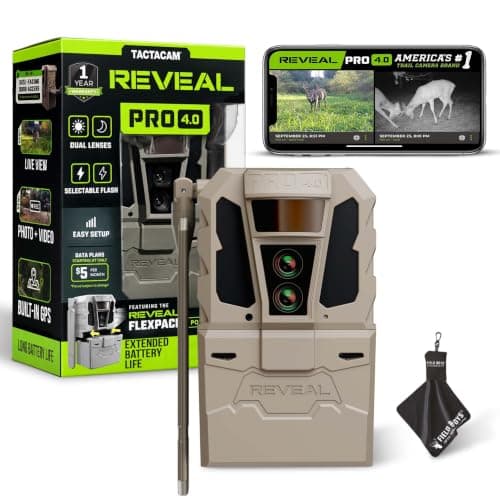
Best Cellular Trail Cameras
The cellular cameras worth running — compared on connectivity, flash and the plan cost that decides what you'll really pay.
Our top pick
Tactacam Reveal Pro 4.0
$159.99 · View on AmazonPrice as of October 20, 2026. #ad How we’re funded
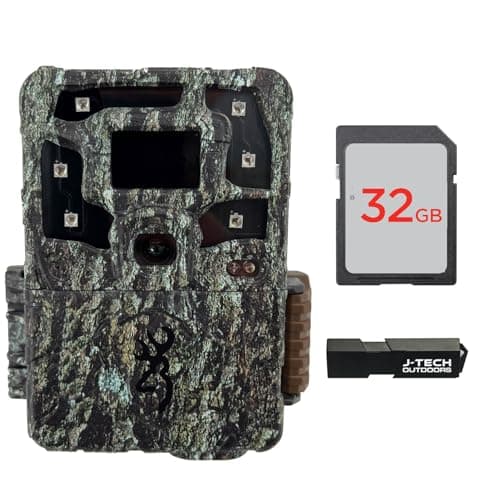
Best Trail Cameras Without a Subscription
SD-card cameras that cost nothing to run — the pick for hunters done paying monthly for photos.
Our top pick
Browning Strike Force Pro X 1080
$149.99 · View on AmazonPrice as of October 20, 2026. #ad How we’re funded

Tactacam Reveal vs SPYPOINT Flex
The two cellular cameras deer hunters ask about most, compared on cost, connectivity and who each one suits.
What Cellular Trail Cameras Really Cost to Run
Cellular cameras are priced by the plan, not the box. Here's the math on what a season actually costs, per camera.
Trigger Speed & Detection Range, Explained
What trigger speed and detection range mean, why they matter for deer, and the numbers to look for.

How to Set Up a Trail Camera for Deer
Placement, height, angle and settings to inventory deer without spooking them.
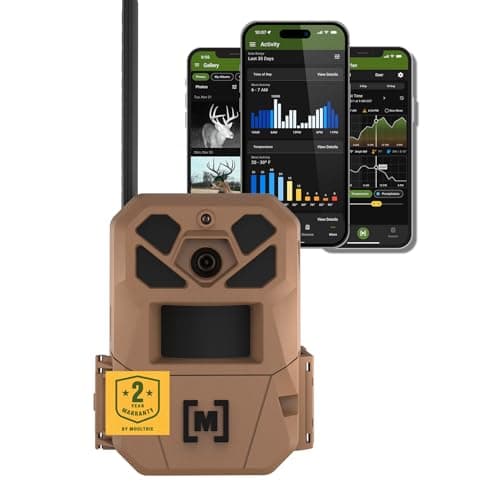
Best Budget Trail Cameras
The cheapest cameras worth running — enough camera to inventory deer for the price that lets you blanket a property instead of babying one.
Our top pick
Moultrie Edge 3
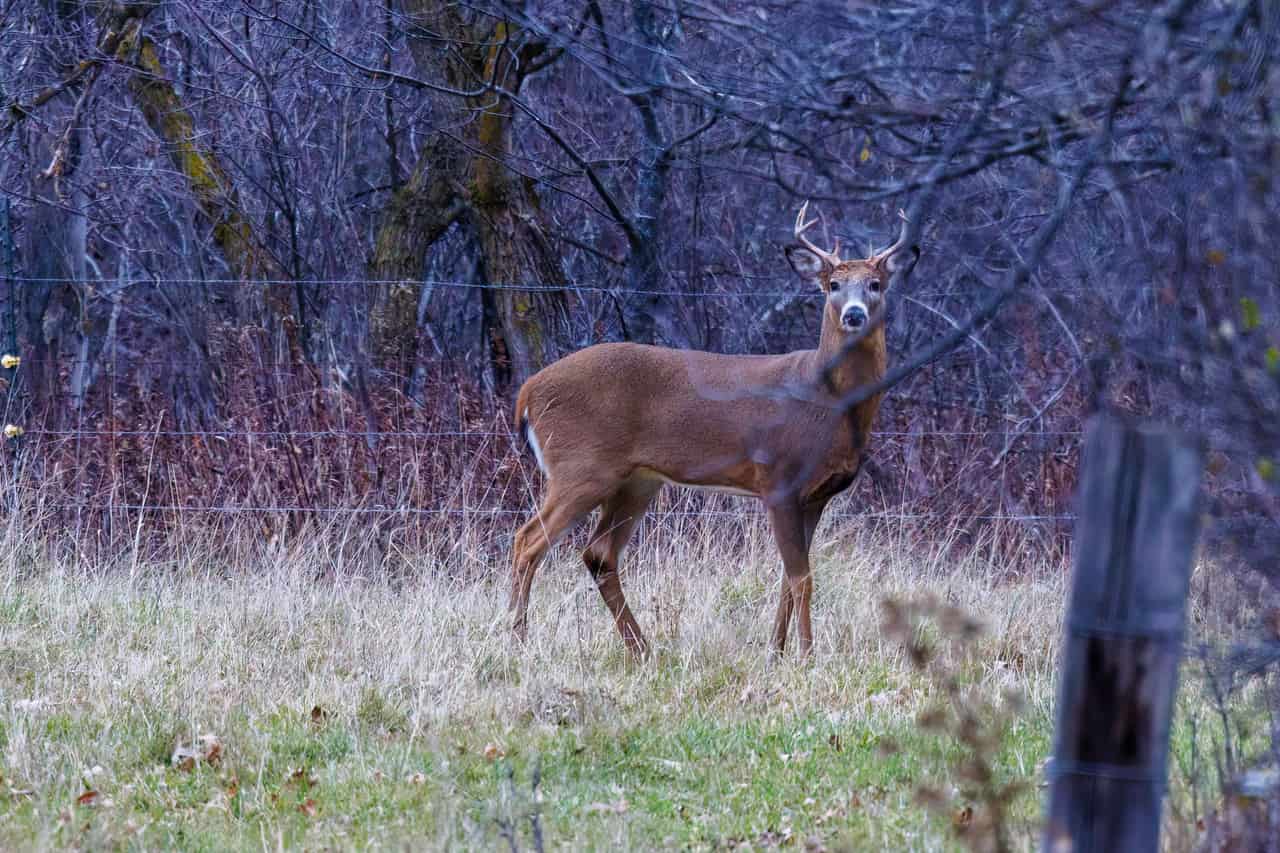
How to Read Trail Camera Photos to Pattern Deer
Turn a full SD card into a plan — what timing, direction and frequency tell you about where a buck beds, feeds and travels.
No-Glow vs Low-Glow Trail Cameras
The flash decision that costs you either night image quality or invisibility — what deer actually see, and which flash type suits your ground.
Stealth Cam vs SPYPOINT
An SD-card camera with no running cost against a cellular camera with a free photo tier — the comparison is really about whether you want to walk in.
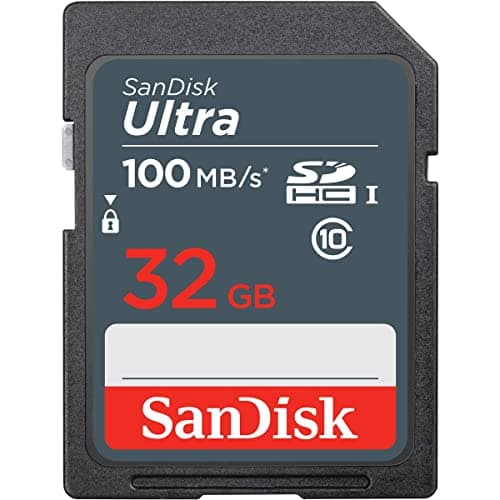
Best SD Cards for Trail Cameras
Capacity limits, speed class and the card-swap routine — the cheapest part of the setup and the one that decides whether you get the photos.
Our top pick
SanDisk Ultra 32GB SDHC 100MB/s
$19.90 · View on AmazonPrice as of October 20, 2026. #ad How we’re funded

Best Trail Camera Batteries
Lithium, alkaline or rechargeable — the published cold-weather numbers, and the chemistry that kills cameras when it leaks.
Our top pick
Energizer Ultimate Lithium AA, 24-pack
$41.00 · View on AmazonPrice as of October 20, 2026. #ad How we’re funded
How to Stop Trail Camera Theft
Height beats hardware. Where to put a camera so nobody finds it, and what locks and boxes actually do when they do.
Cellular or no-subscription: pick this first
Everything else follows from this one choice. A cellular camerasends photos to an app so you can scout without walking in and leaving scent — the right call for pressured or mature deer, and for cameras you can’t check often. The catch is a data plan, billed monthly or yearly, and it usually costs more over a season than the camera did. A no-subscription camerasaves photos to an SD card you pull yourself: nothing to pay, but every card swap costs you scent and the risk of bumping deer. Neither is “better” — they suit different hunts.
What decides image quality
Megapixels get the marketing, but detection and flash matter more. A fast trigger speed catches a walking deer before it clears the frame; a longer detection range covers a wider trail but triggers on more junk. At night, a no-glow infrared flash is invisible to deer and people, a low-glow emits a faint red dot up close. We flag both on every camera so you can match the flash to how wary your deer are.
The mistake buyers make
Buying one expensive camera. Deer patterns shift, and a single camera on the wrong trail teaches you nothing. Three ordinary cameras usually reveal more about a property than one great one — which is also why the per-camera running cost matters so much once you go cellular.
Frequently asked questions
Do I need a cellular trail camera?
Only if you want photos without visiting the camera — useful for pressured deer or hard-to-reach spots. If you can check a camera without spooking deer, a no-subscription SD-card camera does the same scouting job with no monthly cost.
How much does a cellular trail camera cost per year?
More than the camera, usually. The box is a one-time cost; the data plan is billed every month or year, and running several cameras multiplies it. We break the math down in our cellular subscription-cost guide.
No-glow or low-glow flash — does it matter?
For close, wary bucks and theft-prone public land, a no-glow (invisible infrared) is worth it. For most private-land scouting a low-glow is fine and often cheaper.
How many trail cameras should I run?
More cameras beat one better camera. Even two or three inexpensive cameras across different habitat will teach you more about deer movement than a single premium unit on one trail.
Sources
- National Deer Association — Find Next Season's Buck in Last Season's Trail-Cam Photos — NDA on reading trail-camera data to pattern deer movement and bedding-to-food travel (accessed July 22, 2026)
- National Deer Association — Nonprofit deer & habitat conservation organization; hunter education and research (accessed July 22, 2026)