The comparison, on published numbers only
The Metcalf row below is the manufacturer’s own published figure, read from its product page on November 7, 2026. Everything else is read from the listing on the date on each card. Where a maker does not publish a figure, the cell says so.
| Pack | Published capacity | Frame | Meat hauling | Listed price |
|---|
| Mystery Ranch Metcalf 75 (the original) | 75 L | Internal frame, sized S–XL | Yes | $575.00 (brand’s own page, Nov 7 2026) |
| Horn Hunter Full Curl Light Frame | ~3,000 cu in (about 49 L) | Lightweight external | Yes — load shelf | See live price above |
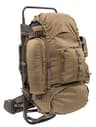
| ALPS OutdoorZ Commander + Pack Bag | 5,250 cu in (about 86 L) | Anodised aluminium freighter, 17–23 in torso | Yes — shelf, bag removable | See live price above |
| Badlands 2200 | ~2,200 cu in (about 36 L) | Ventilated internal suspension | Yes — built-in meat shelf | See live price above |
| ALPS OutdoorZ Pursuit | Not published | Moulded internal suspension | Bow/gun lash system | See live price above |
Read the capacity column carefully, because it is where most “alternative to” articles mislead. The Metcalf is 75 litres. The only pack here that is in the same volume class is the ALPS Commander at 5,250 cubic inches — roughly 86 litres with the bag on. The Horn Hunter is a little over half the Metcalf’s volume and the Badlands is less than half.
That is not a flaw; it is a different use case. A 75-litre pack is sized for multi-day hunts where you carry a camp in and meat out. A 3,000-cubic-inch frame pack is sized for a long day hunt with the ability to haul, which is what whitetail hunting actually is for almost everyone reading this. If you genuinely need 75 litres, the Commander is the comparison; if you need “a good pack that can carry a quarter”, the Horn Hunter is.
What load carriage actually means, and why it is the thing worth paying for
A pack’s job under a heavy, dense, awkward load is to move that weight onto your hip belt and keep it close to your spine. Get that wrong and a sixty-pound load feels like ninety, pulls you backwards on a side hill, and leaves your shoulders raw. Get it right and the same load is merely heavy.
That is the engineering premium brands sell, and it is real. It is also the one thing you cannot read off a listing, which is why we will not rank these packs on it — we own none of them and nobody publishes a measured number for it. What you can read off a listing is the proxy: a published torso adjustment range. The ALPS Commander publishes 17 to 23 inches. The others do not publish a torso range at all, and a frame that does not fit your torso length cannot transfer load to your hips regardless of what it cost.
So the practical advice is the unglamorous kind: measure your torso, buy a pack whose adjustment range covers it, and load it with forty pounds of sandbag before you trust it with a deer. Our how to choose a hunting backpack page covers the measurement and the fit check.
External frame, internal frame, or freighter
External frame— the Horn Hunter and the TIDEWE-style haulers — puts a rigid frame outside the bag with a shelf between frame and bag for meat. It carries dense loads well, keeps blood off your gear, and is the cheapest way to get real hauling capability.
Freighter frame— the ALPS Commander — is an external frame designed first as a hauler with a bag added. You can strip the bag off entirely and lash a quarter straight to the frame. If hauling is the main job, this is the architecture, and it is the one that most directly replaces a premium meat pack.
Internal frame— the Badlands 2200 and the Pursuit — hides the suspension inside the bag. It is more comfortable walking, quieter in brush, and better for a hunter who is mostly carrying gear in rather than meat out. The Badlands adds a built-in meat shelf, which is the compromise that makes it a credible premium alternative rather than just a day pack.
For a whitetail hunter, the ranking is: internal frame if you sit in a stand and quarter at the truck, external or freighter if you drag or pack out from where the deer fell. Our deer cart picksare the fourth option nobody mentions in a pack comparison — on ground you can wheel, a cart beats any pack, and the cheapest drag harness we stock costs less than a tenth of the Metcalf.
What you give up, stated plainly
Three things, and we would rather name them than pretend the gap is zero.
Harness refinement under a heavy load. None of these packs publishes a measured figure for it and neither does the original, but it is the thing premium packs are bought for and the thing a hunter notices on the second mile of a pack-out. If you regularly carry seventy pounds for miles, spend the money.
Fabric and hardware life. A pack dragged through rock, briars and timber for fifteen seasons is a different purchase from one used twenty days a year on a farm. Two of the packs here publish only “water-resistant ripstop” or nothing at all; none publishes a denier.
Repair service. Premium pack brands repair packs. Budget brands replace them, if the warranty covers it at all. Over twenty years that difference can exceed the price gap, which is a genuine argument for the expensive pack and the reason our full backpack roundup keeps a premium pick in it.
What you do not give up is the ability to get a deer out of the woods. Every pack on this page publishes meat-hauling capability, and the thing that actually decides whether a pack-out goes well is whether the meat is bagged, cool and off the ground — our game bag picks and quartering guide matter more to that outcome than the logo on the frame.