Deer hunting gear
Hunting Boots
Deer hunting boots compared on the numbers that matter — insulation grams, height, and rubber-vs-leather — so you buy the boot for your season instead of one compromise pair.
Cold feet end more hunts than cold anything else, and the wrong boot is usually why. The mistake is looking for one boot to do everything. A boot warm enough for a January stand sit will cook your feet on a September walk-in — and sweaty feet get cold, which is the whole problem you were trying to solve. The right move is to match the boot to how and when you hunt.
So we compare boots on the numbers that decide that: insulation in grams (the single most useful spec), height and material (scent-free rubber for wet, still hunts; breathable leather for walking), and waterproofing and fit. Grams of insulation is the one most people get wrong, so we explain exactly what each rating suits — and why more is not better if you’re on the move. For the boot you already own, our insole picks cover the one upgrade you can still add — and the millimeters of toe room it costs you.
Everything in Boots
Best Deer Hunting Boots
Rubber and leather boots for every season, compared on insulation, waterproofing and scent control.
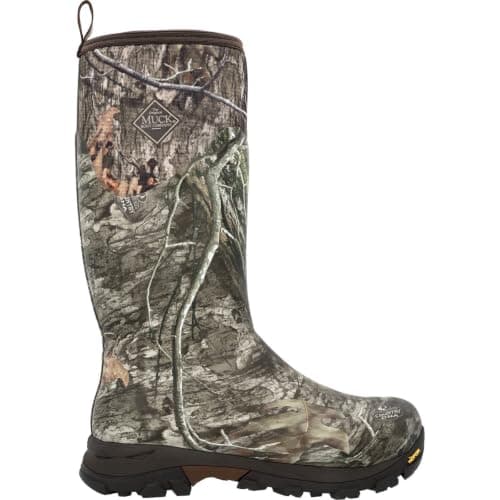
Best Cold-Weather Hunting Boots
The warmest boots for late-season stand sits — where high insulation grams earn their keep.
Our top pick
Muck Boot Woody Arctic Ice

LaCrosse Alphaburly Pro Review
Why the Alphaburly Pro is the default whitetail rubber boot — and who should look elsewhere.

How Many Grams of Insulation Do You Need?
A plain-English guide to Thinsulate gram ratings and the temperatures and activity levels each one suits.
How to Size and Fit Hunting Boots
How to size for socks and insulation, and why the right fit is what actually keeps your feet warm.

How to Keep Your Feet Warm in the Stand
Why toes go cold on a sit and the layering, sizing and boot choices that actually fix it.
Best Rubber Hunting Boots
Scent-free, waterproof rubber boots for wet ground and stand sits — the whitetail default, compared across insulation weights.
Rubber vs Leather Hunting Boots
Scent-free and waterproof, or breathable and comfortable over miles — the honest trade-off, and which boot matches how you hunt.
Best Hunting Socks
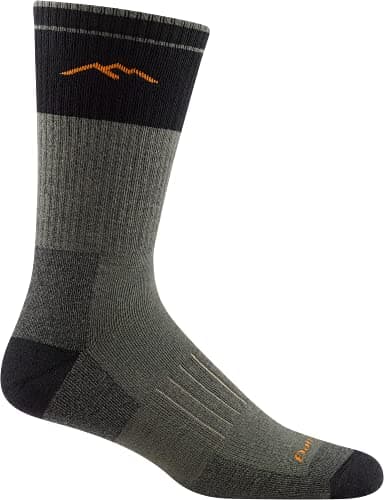
The cheapest fix for cold feet is the layer inside the boot — merino weights compared, and why a thicker sock often makes feet colder.
Our top pick
Darn Tough Hunting Boot Heavyweight Full Cushion (2101)
$31.95 · View on AmazonPrice as of October 20, 2026. #ad How we’re funded

Hunting Boots vs Hiking Boots
Whether the boots already in your closet will do for deer season — the four differences that decide it, and when hiking boots are genuinely the better pick.
Best Boot Dryers
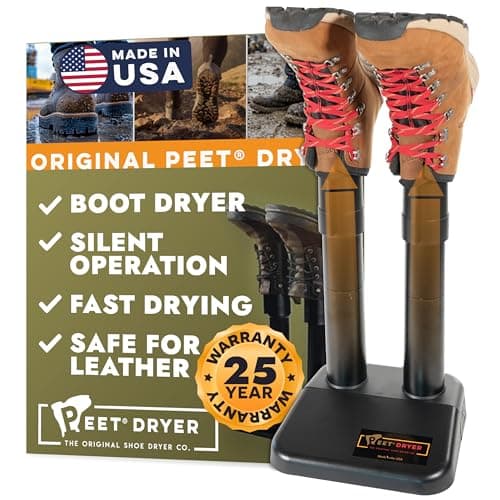
Yesterday's sweat is why your feet went cold at nine o'clock — convection, forced air and the heat that cracks a rubber boot.
Our top pick
PEET Original Portable Electric Boot & Shoe Dryer
$49.99 · View on AmazonPrice as of October 20, 2026. #ad How we’re funded
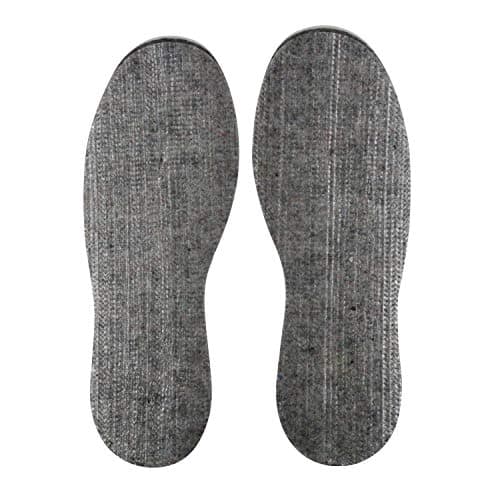
Best Insoles for Hunting Boots
Insulating and support insoles compared on the figure that decides everything — thickness — plus why adding one to a snug boot makes your feet colder.
Our top pick
Yaktrax Thermal Cold Weather Insole
Rubber or leather? Start here
Rubber bootshold almost no scent and shrug off mud and water, which makes them the default for stand hunting wet ground where staying invisible to a deer’s nose matters. They’re heavier and breathe poorly, so they’re miserable for long walks. Leather boots(usually with a waterproof membrane) breathe better and support your foot over miles, which suits early season and hunters who cover ground — but leather holds more scent. Many hunters own one of each.
How many grams of insulation you need
Insulation is measured in grams. As a rough guide: 200–400 g for mild weather or active walking; 600 g for cold at low-to-moderate activity; 800 gis about the most you want in a boot you’ll walk in; 1,000 g and upfor very cold, low-activity stand sits. The temptation is to buy the warmest boot “to be safe.” Don’t — over-insulated feet sweat on the walk in, and damp feet go cold on the sit. Our insulation guide matches grams to conditions.
Fit is what actually keeps feet warm
The warmest boot in the wrong size is a cold boot. You need room for a proper hunting sock without the boot being so tight it cuts circulation — blood flow is what keeps toes warm. Size for your socks, lock the heel, and don’t buy warmth you can’t fit into.
Frequently asked questions
How many grams of insulation do I need in hunting boots?
It depends on how you hunt. Roughly: 200–400 g for mild or active hunts, 600 g for cold at low activity, 800 g about the most for a boot you walk in, and 1,000 g+ for very cold stand sits. More isn't better if you're moving — you'll sweat and your feet will get cold.
Are rubber or leather hunting boots better?
Different jobs. Rubber holds less scent and handles wet ground, ideal for stand hunting; leather breathes better and supports long walks, ideal for early season and covering country. Many hunters keep one of each.
Why are my feet still cold in insulated boots?
Usually fit and moisture, not insulation. A boot too tight cuts circulation, and feet that sweat on the walk in go cold on the sit. Size for your socks, and consider walking in lighter footwear and changing into warm boots on stand.
How should hunting boots fit?
Snug but not tight, with room for a thick hunting sock. You want a locked heel and no pressure points — enough space to keep blood flowing to your toes, which is what actually keeps them warm.
Sources
- 3M — Thinsulate Insulation — Manufacturer reference on Thinsulate synthetic insulation and gram weights (accessed July 22, 2026)