Deer hunting gear
Tree Stands
Climbing stands, hang-ons, saddles and ground blinds compared on the choice that actually matters: how you hunt, and the tree you'll hunt from — with safety front and center.
Getting above a deer’s line of sight and downwind of its nose is most of whitetail hunting. How you do it — a climbing stand, a hang-on, a saddle, or a ground blind — is less about which is “best” and more about the ground you hunt and how much you move. Straight, clean trees favor a climber. Crooked or branchy ones need a hang-on or a saddle. Open ground with kids or a camera calls for a blind.
Before any of that, one rule: wear a full-body harness and stay attached to the tree from the ground up.The large majority of hunters hurt in tree-stand falls weren’t connected to anything. It’s the cheapest, most important gear on this page, and we treat it that way — every stand here pairs with a fall-arrest system, and we link the safety guide from every climbing method. Our safety harness picks compare the harnesses, lifelines and lineman’s ropes on published capacity, the one named standard in the category, and the three-to-five-year replacement rule most hunters have never been told about.
Everything in Tree Stands
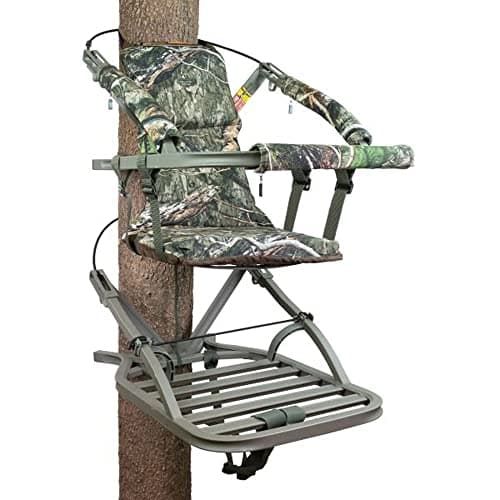
Best Tree Stands, Saddles & Blinds
Climbers, hang-ons, saddles and ground blinds — the best of each, and how to pick the right style for your ground.
Our top pick
Summit Treestands Viper SD
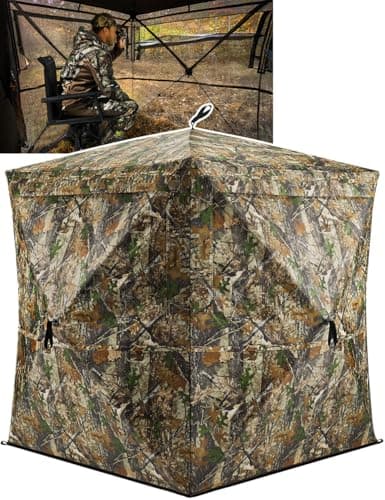
Best Ground Blinds for Deer Hunting
Pop-up blinds for bow and crossbow hunters — from one-person run-and-gun to roomy two-person setups.
Our top pick
TIDEWE 270° See Through Ground Blind (1-2 person)
Saddle vs Tree Stand
The honest trade-offs between saddle hunting and a traditional stand — weight, comfort, mobility and the learning curve.
Tree Stand Safety & Harness Guide
The most important gear you own. What a fall-arrest system is, why to wear one from the ground up, and what the fall statistics say.
Saddle Hunting for Beginners
What a saddle setup is, what you need to start, and how to practice safely before you trust it on a hunt.
Climbing Sticks: How to Choose and Use Them
How many sticks you need, how to hang them quietly and safely, and what to look for in a set.
Best Climbing Tree Stands
Climb-and-hunt stands for straight, branch-free timber — the mobile way to hunt public ground and move with the deer.
Our top pick
Summit Treestands Viper SD
Hang-On vs Climbing Tree Stand
Two ways up a tree, two different hunts — which suits your timber, your mobility and how far you're willing to carry a stand.
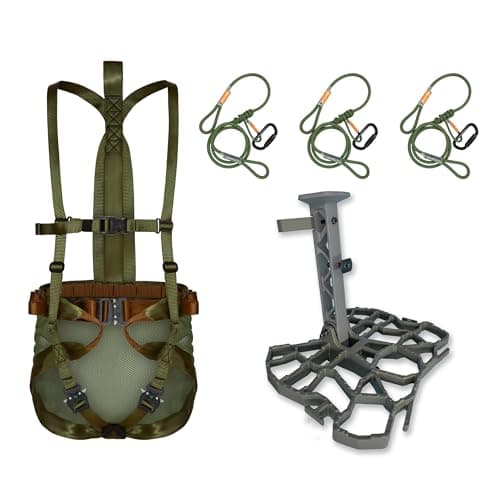
Best Hunting Saddles
Complete kits and saddle-only options compared — including the buying mistake that costs first-time saddle hunters the most money.
Our top pick
XOP Complete Tree Saddle System (Edge platform + Mondo harness)
Types of Tree Stands Explained
Ladder, hang-on, climbing, tripod and saddle — what each one does, the trees each one needs, and which suits the way you actually hunt.
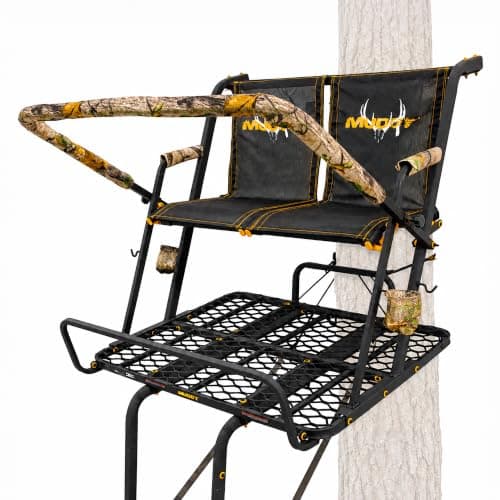
Best Ladder Stands
The stand you can sit in all day and take a second hunter up — compared on height, seating and how safely it goes up.
Our top pick
Muddy 2-Person Ladder Tree Stand, 17'
Ladder Stand vs Hang-On
A chair you leave in a tree against a seat you carry to wherever the deer are — the answer is mostly about who owns the ground.
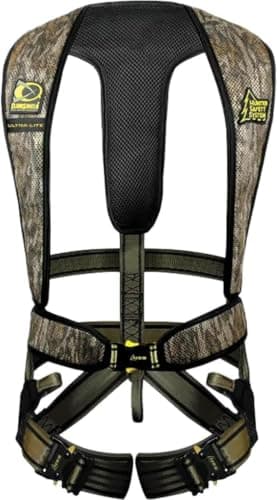
Best Tree Stand Safety Harnesses
Harnesses, lifelines and lineman's ropes compared on published capacity, the one named standard in the category, and the replacement interval nobody is told about.
Our top pick
Hunter Safety System Ultra-Lite Harness (Mossy Oak Bottomland)
$132.99 · View on AmazonPrice as of October 20, 2026. #ad How we’re funded
How to Hang a Tree Stand
The most exposed thing a whitetail hunter does, in the order that keeps you attached to the tree throughout.
How High Should a Tree Stand Be?
Fifteen to twenty feet covers almost every whitetail setup — and a good tree at twelve feet beats a bare one at twenty-five, at a far better shot angle.
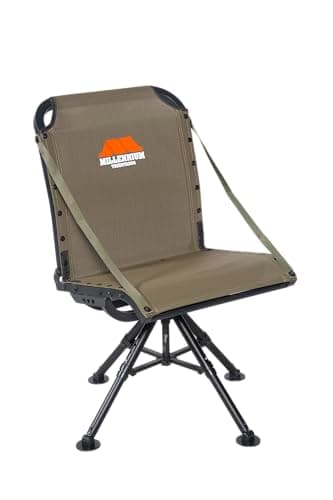
Best Ground Blind Chairs
At ground level a deer meets you at eye height, so a blind chair is not furniture — it decides how often you move. Ranked on silent swivel, leg leveling and seat height.
Our top pick
Millennium G400 Ground Blind Chair
$239.99 · View on AmazonPrice as of October 20, 2026. #ad How we’re funded
Climber, hang-on, saddle or blind?
A climbing stand is comfortable and mobile, but only works on a straight tree with no branches for the height you climb. A hang-on (with climbing sticks) works on almost any tree and packs smaller, at the cost of a trickier, quieter setup. A saddleis the lightest, most mobile option and hunts any tree — but it has a real learning curve you should work out at ground level first. A ground blind hides movement and scent for bow or crossbow hunters, families and filming, but needs to be brushed in and set out early so deer accept it.
Match the platform to how you hunt
If you hunt the same few stands on private ground, a comfortable hang-on you leave up all season is hard to beat. If you chase deer across public land and relocate often, a saddle or a climber that packs in wins. If you hunt with a young hunter or want to draw a bow unseen, a blind is the honest answer. There is no single best — there’s the best for your ground.
Don’t skip the access gear
A hang-on or saddle is only half a system — you also need a safe way up. Budget for a set of climbing sticks and a lineman’s belt, and learn to hang them quietly before the season, not on opening morning.
Frequently asked questions
Do I really need a safety harness?
Yes. The large majority of hunters injured in tree-stand falls were not connected to the tree. A full-body harness worn from the ground up — with a lineman's belt on the climb and a lifeline on the trunk — is the single most important piece of gear you own.
Is a saddle better than a tree stand?
Not better — different. Saddles are lighter and hunt any tree, but have a learning curve. Stands are more familiar and comfortable but heavier and pickier about the tree. Our saddle-vs-stand guide lays out the honest trade-offs.
What tree does a climbing stand need?
A straight trunk with no branches up to your hunting height, and roughly consistent diameter. Crooked, leaning or branchy trees rule a climber out — that's where a hang-on or saddle earns its place.
When should I set up a ground blind?
Days to weeks early, and brushed into cover, so deer get used to it. A blind dropped on a fresh spot the morning of a hunt will spook wary deer — the concealment only works once they've accepted it.
Sources
- Tree Stand Safety Awareness Foundation — Industry safety foundation tracking treestand-fall statistics and the ABCs of safety (accessed July 22, 2026)
- Hunter-Ed — Fall-Arrest Systems (FAS) — State-approved hunter-ed guidance on full-body harness + fall-arrest components (accessed July 22, 2026)
- National Deer Association — Treestand Accidents: Can We Stop the Insanity? — NDA on the leading causes of treestand falls and the case for a harness on every hunt (accessed July 22, 2026)