Tag & Timber

Field gear · Recovery

Best Blood Tracking Lights for Deer

A blood light does not make blood glow. It filters the output so that everything else looks wrong — and on brown leaf litter at midnight, that is the difference between a trail and a grid search.

By Stephen V.Last updated How we pick

A blood tracking light is a tool you hope to use once or twice a season and are very glad to own on the night you need it. It works by filtering the light output so that the red of blood contrasts strongly against the browns and greys of leaf litter, which at 1am in November is a genuinely different experience from sweeping a white flashlight around.

It is worth being clear about what it is not. It does not reveal blood that is not there, it does not work through leaves, and it is not a substitute for the two things that actually recover deer: a good shot and enough patience afterward. The National Deer Association’s blood-trailing guidance is specific about the waiting, and the section below reproduces it.

So we ranked these on runtime (a light that dies an hour into a track is worse than useless), whether the specifications are published at all, and handheld versus headlamp, which is a real trade-off rather than a preference.

How this is funded:we earn a commission if you buy through our links, at no extra cost to you. It never changes which product we recommend, and we’ll tell you plainly when to skip one. Full disclosure.

Quick picks

Ranked on published specs, package value and buyer fit. Select a row to jump to the full write-up. We have not tested these products — here is exactly what we do instead.

#ProductBest forPrice
1
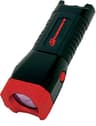
NEBO IllumaTrace Blood Tracker Flashlight

NEBO IllumaTrace Blood Tracker Flashlight

Publishes what most of this category will not: 180 lumens and a three-hour runtime. A blood light that dies an hour into a track is worse than useless, and three hours is enough for a genuinely difficult recovery.

Best overall
$41.68 · View on Amazon

Price as of August 22, 2026. #ad How we’re funded

2
Primos Bloodhunter HD

Primos Bloodhunter HD

The established name in this category. A blood light works by filtering the output so that blood contrasts against leaf litter rather than blending into it — it does not make blood glow, it makes everything else look wrong, which is the same effect from the other direction.

Best established
$76.98 · View on Amazon

$90.9515% off

Price as of August 22, 2026. #ad How we’re funded

3
NEBO IllumaTrace Blood Tracker Headlamp

NEBO IllumaTrace Blood Tracker Headlamp

The headlamp version, and it solves the real ergonomic problem: tracking blood means crouching, moving branches, and marking the trail, and all three want both hands. A dedicated blood mode on your head beats a better light in your fist.

Best hands-free
$49.70 · View on Amazon

$69.9929% off

Price as of August 22, 2026. #ad How we’re funded

4
BIZOOM Rechargeable Blood Tracking Light

BIZOOM Rechargeable Blood Tracking Light

Rechargeable at the value end of the category, which removes the one genuinely annoying failure mode of cheap blood lights — discovering they take an odd battery size on the night you need them.

Best mid-price
$59.99 · View on Amazon

Price as of August 22, 2026. #ad How we’re funded

5
LUMENSHOOTER B2 Blood Tracking Light

LUMENSHOOTER B2 Blood Tracking Light

The value entry, and a reasonable one. Blood lights are a tool you hope to use once or twice a season, which makes the expensive ones hard to justify for a hunter who takes two or three deer a year.

Best value
$41.30 · View on Amazon

$53.9924% off

Price as of August 22, 2026. #ad How we’re funded

The picks in full

#1Best overall

NEBO IllumaTrace Blood Tracker Flashlight

Publishes what most of this category will not: 180 lumens and a three-hour runtime. A blood light that dies an hour into a track is worse than useless, and three hours is enough for a genuinely difficult recovery.

Strengths

  • Published 180-lumen output and 3-hour runtime, not vague claims
  • Rechargeable, so there is no scramble for spare cells at midnight
  • From a general flashlight maker, which shows in the build

Trade-offs

  • Rechargeable means it is flat if you forgot to charge it
  • 180 lumens is modest if you also want it as a general work light
TypeHandheld blood tracking light
Output180 lumens
Runtime3 hours
RechargeableYes

Worth knowing. Charge it the day before opening weekend, not the night you need it. A rechargeable light on a shelf since last January is a flat light.

Specs read from the product listing, on August 22, 2026. “Not published” means the manufacturer does not state that figure.

#2Best established

Primos Bloodhunter HD

The established name in this category. A blood light works by filtering the output so that blood contrasts against leaf litter rather than blending into it — it does not make blood glow, it makes everything else look wrong, which is the same effect from the other direction.

Strengths

  • The longest track record of any light in this category
  • Filtered output makes blood stand out against brown leaf litter
  • Handheld form suits following a track slowly, at ground level

Trade-offs

  • One of the more expensive lights here for a single-purpose tool
  • Battery type and runtime are not stated on the listing
TypeHandheld blood tracking light
OutputNot published
RuntimeNot published
RechargeableNot published

Worth knowing. No light finds blood that is not there. The most useful thing you can do after the shot is mark where the deer stood and where it entered cover, then wait.

Specs read from the product listing, on August 22, 2026. “Not published” means the manufacturer does not state that figure.

#3Best hands-free

NEBO IllumaTrace Blood Tracker Headlamp

The headlamp version, and it solves the real ergonomic problem: tracking blood means crouching, moving branches, and marking the trail, and all three want both hands. A dedicated blood mode on your head beats a better light in your fist.

Strengths

  • Hands free for moving brush and marking the trail with tape
  • Dedicated 100-lumen blood mode alongside normal white light
  • Doubles as an ordinary headlamp for the walk out

Trade-offs

  • Head-height light flattens the contrast that low, raking light creates
  • 100 lumens in blood mode is less than the handheld version
TypeHeadlamp with blood mode
Output (blood mode)100 lumens
RuntimeNot published
RechargeableNot published

Worth knowing. Light held low and raked across the ground shows blood far better than light coming from your forehead. The best setup is a headlamp for your hands and a handheld for the actual searching.

Specs read from the product listing, on August 22, 2026. “Not published” means the manufacturer does not state that figure.

#4Best mid-price

BIZOOM Rechargeable Blood Tracking Light

Rechargeable at the value end of the category, which removes the one genuinely annoying failure mode of cheap blood lights — discovering they take an odd battery size on the night you need them.

Strengths

  • Rechargeable rather than dependent on an unusual cell size
  • Priced between the value lights and the established brands
  • Purpose-built for blood contrast rather than a repurposed torch

Trade-offs

  • No published lumen output or runtime figure
  • Newer brand with a shorter track record than the alternatives
TypeHandheld blood tracking light
RechargeableYes
OutputNot published
RuntimeNot published

Worth knowing. Whatever light you carry, carry flagging tape too. Marking each drop of blood is what turns a scattered trail into a visible direction of travel.

Specs read from the product listing, on August 22, 2026. “Not published” means the manufacturer does not state that figure.

#5Best value

LUMENSHOOTER B2 Blood Tracking Light

The value entry, and a reasonable one. Blood lights are a tool you hope to use once or twice a season, which makes the expensive ones hard to justify for a hunter who takes two or three deer a year.

Strengths

  • Roughly half the price of the established brand
  • Purpose-built filtered output rather than a general flashlight
  • Cheap enough to keep one in the truck and one in the pack

Trade-offs

  • Output, runtime and battery type are not published on the listing
  • Less established than the specialist brands, with less service backing
TypeHandheld blood tracking light
OutputNot published
RuntimeNot published
RechargeableNot published

Worth knowing. Test any blood light at home before the season on a drop of red food colouring on brown leaves. If it does not visibly help there, it will not help in the woods.

Specs read from the product listing, on August 22, 2026. “Not published” means the manufacturer does not state that figure.

Wait first. The light is for later.

Nothing on this page matters as much as this section. The most common reason a deer is not recovered is that the hunter got down too soon and pushed it.

The National Deer Association’s blood-trailing guidance sets out waiting times by shot type, and they are longer than most hunters’ patience:

  • Arrow through both lungs, and you are confident of the hit. About an hour.
  • Liver hit. A minimum of two hours, and sometimes three to four depending on the circumstances.
  • Stomach or intestines. Four to six hours, and overnight if conditions allow it.

The general rule underneath all of them is to stay in the stand for at least thirty minutes regardless, unless the deer is visibly dead. A deer that beds down within a hundred yards will usually die there. The same deer, pushed at fifteen minutes, can travel a very long way on adrenaline.

Read the hit before you climb down

Mark exactly where the deer stood and exactly where it entered cover, from the stand, while you can still see the ground. Then use the wait to think about what you saw and heard. The NDA’s guidance on reading sign is worth knowing before you need it: crimson and frothy blood suggests lungs; bright red can be heart or a leg wound; dark red suggests liver; and blood mixed with green or brown material and an odour means a gut hit and a long wait.

How a blood light actually works

The lights in this category use filtered output rather than ultraviolet. Blood reflects and absorbs light differently from wet leaves and soil, and by cutting parts of the spectrum the filter widens that difference until it is obvious to your eye.

The practical effect is not that blood lights up. It is that leaf litter goes flat and dull and the blood stays saturated. That is enough. On a good trail it is unnecessary; on a sparse trail across brown oak leaves it is the difference between following sign and searching randomly.

One trick worth knowing that costs nothing: hold the light low and rake it across the ground at a shallow angle rather than pointing it straight down from head height. Raking light creates contrast and shadow that flat overhead light destroys.

Runtime is the specification that matters

Lumens are the number that gets printed and they are close to irrelevant here. Blood-trailing is close work at walking pace — you are looking at a three-foot circle of ground, not lighting up a field. Modest output is entirely adequate.

Runtime is not. A difficult track can genuinely take hours, and a light that dies halfway through leaves you with a white flashlight and a much harder job. This is why the pick that publishes both a lumen figure and a three-hour runtime rates above several that publish neither.

Where a listing does not publish runtime, our spec tables say “Not published” rather than estimating. That absence is a finding: a single-purpose tool whose maker will not state how long it lasts is telling you something.

Rechargeable or cells

Rechargeable removes the problem of discovering the light takes an odd battery size at midnight. It introduces the problem of a flat light that has been on a shelf since January. Charge it before opening weekend, not on the night.

Handheld and headlamp do different jobs

You need both hands for tracking. You are moving branches, marking the trail, and crouching down to look at a spot from ground level. That argues for a headlamp.

But light from your forehead comes at the same angle as your eyes, which flattens exactly the contrast a blood light exists to create. Light held low and raked across the ground shows blood far better.

The setup that resolves it: a headlamp for general light and hands-free work, and a handheld blood light for the actual searching. If you buy one, buy the handheld and carry a normal headlamp from our headlamp roundup.

Mark every drop

The single most useful low-tech technique, and the NDA recommends it explicitly: drop a piece of toilet paper or flagging tape at every spot of blood you find.

Two things happen. You can see the deer’s line of travel as a series of markers rather than as individual drops, which tells you where to look next. And if you lose the trail entirely, you can walk back to your last confirmed blood and start again from a known point rather than from your best recollection.

Carry a small spray bottle of hydrogen peroxide too. Blood fizzes when sprayed with it, which settles the question of whether that dark spot is blood or a wet leaf.

When the blood runs out

Stop, mark the last blood, and think rather than wandering. The standard sequence is a grid search of the area outward from the last sign, with helpers if you can get them and everyone staying within sight of each other so nobody skips dense cover.

If that fails, check the nearest water. And in many states a licensed tracking dog is legal and available — that is worth knowing about before the night you need it rather than after.

Once the deer is found, the work changes: gloves on, and get the carcass cooled. Our field dressing guide and quartering guide cover what comes next.

Frequently asked questions

Do blood tracking lights actually work?

Yes, within their limits. They filter the light output so blood stays saturated while leaf litter goes flat and dull, which makes sparse sign visible that a white flashlight washes out. They do not reveal blood that is not there, do not see through leaves, and are no substitute for waiting long enough before you start tracking.

How long should you wait before tracking a deer?

The National Deer Association's guidance is by shot type: about an hour for an arrow through both lungs when you are confident of the hit, a minimum of two hours for a liver hit and sometimes three to four, and four to six hours for a paunch hit — overnight if conditions allow. Stay in the stand at least thirty minutes regardless unless the deer is visibly dead.

What colour light is best for tracking blood?

Filtered output rather than a single colour, and that is what purpose-built blood lights provide. The mechanism is contrast: cutting parts of the spectrum widens the difference between blood and the wet leaves around it. Technique matters as much — hold the light low and rake it across the ground rather than pointing it down from head height.

Headlamp or handheld for blood tracking?

Both, ideally. You need both hands free for moving brush and marking the trail, which argues for a headlamp — but light from your forehead comes at the same angle as your eyes and flattens the contrast you are trying to see. Use a normal headlamp for working light and a handheld blood light for the actual searching.

What do different blood colours mean when tracking a deer?

Per NDA guidance: crimson and frothy suggests a lung hit and usually a decent trail; bright red can mean heart or a leg wound; dark red suggests liver; and blood mixed with green or brown material with an odour means a gut hit. That last one calls for the longest wait — four to six hours, or overnight.

What should I do if the blood trail runs out?

Mark your last confirmed blood, then grid search outward from it rather than wandering. Bring help if you can and keep everyone within sight so nobody skips dense cover. If that fails, check the nearest water source, and find out in advance whether a licensed tracking dog is legal where you hunt — that is not something to research at 2am.

Sources

  • National Deer Association — How to Blood-Trail a DeerNDA guidance on waiting by shot type (one hour on an arrow lung shot, a minimum of two on liver, four to six on a paunch hit), reading blood colour, marking every drop with tissue, and grid-searching when the trail dies (accessed August 22, 2026)
  • National Deer Association — The Hunter's Guide to Deer VisionDeer lack the long-wavelength (red) cone, so they cannot distinguish red or orange from green; they lack a UV filter and carry more rods than humans, which is why they see so well at last light (accessed August 19, 2026)
  • CDC — About Chronic Wasting Disease (CWD)Federal guidance: wear gloves when field-dressing, bone out the meat, minimize handling of brain and spinal tissue, and consider testing before eating meat from CWD areas (accessed August 7, 2026)

Keep reading