Guides · Timing
Best Time of Day to Hunt Deer
The first three hours of daylight, by the only numbers anybody has published - and the two weeks of the year when the middle of the day stops being dead time.
How this is funded:we earn a commission if you buy through our links, at no extra cost to you. It never changes which product we recommend, and we’ll tell you plainly when to skip one. Full disclosure.
The best time of day to hunt deer is the first three hours of daylight. The clearest published numbers on the question come from Dr. Mickey Hellickson’s three-year rattling study, which recorded 54% of all buck responses between 7:30 and 10:30 a.m. against 16% at midday. Evening is a strong second. Midday is dead time for about fifty weeks of the year and one of the best windows of the season for the other two.
That is the answer. The rest of this page is the reasoning, the exceptions, and the gear that determines whether you can actually sit the hours the research favours.
Why first light wins
Deer are built for the edges of the day. The National Deer Association’s guide to deer vision notes that deer carry more rods than humans do and lack the long-wavelength cone, which means poor color discrimination and excellent low-light sensitivity. An animal that sees well at 5:50 a.m. and poorly in bright flat midday light will move at 5:50 a.m.
Hellickson’s response data gives that a number, and the number is lopsided: more than half of all responses in a three-hour morning window, against a sixth across the whole middle of the day. The same study found response rates improving as temperature and wind dropped and cloud cover rose, which is the other half of the planning rule — a cool, calm, overcast morning is the best version of the best window.
The hour-by-hour honest version
| Window | What it is good for | The catch |
|---|---|---|
| First light to mid-morning | The best window on the published numbers, and the best for calling | You have to walk in through the dark past feeding deer |
| Mid-morning to noon | Better than its reputation during the rut; a good scouting window otherwise | Outside the rut, most hunters are right to leave |
| Midday | Rut only — and then it is genuinely productive | 16% of responses outside the rut; a long sit for a thin chance |
| Mid-afternoon to dark | A clean entry, predictable movement toward food, easy stand choice | Deer are between you and the truck at dark, so the exit burns the stand |
| All day | The two rut weeks, when bucks move at every hour | Needs warmth, food, water and a seat you can tolerate for twelve hours |
The rut is the exception, and the dates repeat
The reason an all-day sit makes sense in November and not in October is that rut movement is not tied to light in the same way. And the reason you can plan it is that breeding dates are remarkably consistent: nine years of New Brunswick fetal data from over 1,600 does found the mean conception date inside a seven-day window every single year, and inside the same four-day window in eight of those nine. Breeding is driven by photoperiod, which does not change year to year, and no link to moon phase was found.
Practically, that means your own records are the best calendar you will ever have. Last season’s trail camera timestamps, last season’s rub lines and last season’s dates of first chasing on your own ground will land in roughly the same week this year.
What to look for in the gear that buys you the hours
Timing is a gear problem at both ends. The morning window requires getting in before light without being detected; the all-day sit requires staying put when you are cold. In order:
- Data from your own ground, not somebody else’s averages. A camera with timestamps on a trail you hunt is the only source of the one thing this page cannot give you: your local best hour.
- A light you can walk in with and not light up the woods. Deer cannot distinguish red from green, because they lack the long-wavelength cone, so a red mode is the low-impact choice on a dark entry.
- A seat you can tolerate for twelve hours. The all-day sit does not fail for lack of discipline. It fails because the seat gets unbearable and the cold wins, and every shift in the seat is movement a deer can catch.
The three purchases that make the long sits possible
Your own timestamps
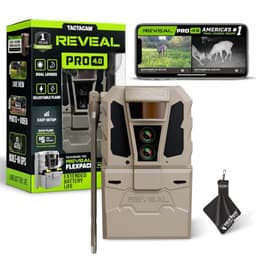
Tactacam Reveal Pro 4.0
Cellular scouting on any carrier
- Connectivity
- Cellular (multi-carrier LTE, auto-carrier selection)
- Flash
- Selectable no-glow (80 ft) or low-glow (96 ft) infrared
- Ongoing cost
- Data plan required; no activation fee
Price as of October 16, 2026. #ad How we’re funded
A dark entry
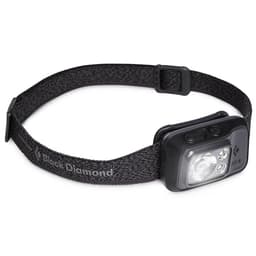
Black Diamond Spot 400-R
Best overall hunting headlamp
- Output
- 400 lumens
- Power
- Rechargeable
- Dimming
- Yes
The all-day sit
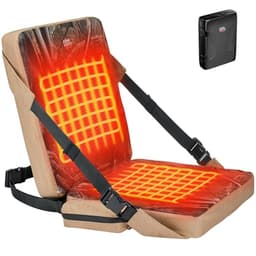
KEMIMOTO Heated Hunting Seat Cushion with Backrest
Long, still sits in a ladder stand, hang-on or ground blind
- Type
- Heated seat cushion with backrest
- Heating
- Dual plates, seat and backrest
- Runtime
- Low up to 10 h / medium 8 h / high 6 h
The cellular camera is here because it answers the question for your property rather than in general — and because checking it without walking in is the whole point during the two weeks you most want to leave the stand alone. The Black Diamond Spot 400-R is our overall headlamp pick and carries a red mode for the entry. The heated seat cushion is the honest answer to why most all-day sits end at 11 a.m.; our heated gear comparison covers where battery heat is worth it and where a layer is better, and late-season gear covers the cold sit in full.
The planning rule, in one paragraph
Hunt mornings when you can enter cleanly and the forecast is cool, calm and grey. Hunt evenings when the entry is the problem and you can leave without crossing the food. Skip midday in October and sit it through the rut. Set your vacation days by your own ground’s dates from last year rather than a national calendar, and remember that the thermal reverses at both ends of the day — which is covered in our guide to playing the wind, and which decides whether the hour you chose is worth anything at all.
General guidance, not legal or safety advice. Hunting regulations vary by state and change every year — always verify seasons, legal equipment and requirements with your own state wildlife agency before you hunt. Wear a full-body harness and stay attached to the tree from the ground up whenever your feet leave the ground.
Frequently asked questions
What is the best time of day to hunt deer?
Early morning, on the published evidence. In Dr. Mickey Hellickson's three-year rattling research, 54% of all buck responses came between 7:30 and 10:30 a.m., against 16% at midday. Deer are also built for low light: the National Deer Association's summary of deer vision notes they carry more rods than we do and lack a long-wavelength cone, which is why they see so well at last light. Evening sits are a close second and are easier to enter cleanly, which is why they suit a stand you cannot reach in the dark without crossing deer movement.
Is it worth hunting deer in the middle of the day?
During the rut, yes. Outside it, rarely. The rattling research puts only 16% of responses at midday against 54% in the 7:30 to 10:30 a.m. window, so on a normal October day the middle hours are the ones to spend scouting or sleeping. During the chasing and peak-breeding phases that changes: bucks move at all hours, the research recorded more than one buck responding per attempt during peak rut, and the hunters who shoot mature deer at 11 a.m. in November are mostly the ones who were still sitting.
Should I hunt mornings or evenings?
Hunt the one you can get into and out of without being detected. Mornings produce more on the published numbers, but a morning sit requires walking in through the dark past deer that are still feeding, and a stand you cannot enter cleanly at 5:30 a.m. is better hunted in the evening. Evenings have the opposite problem: the deer are usually in the food source at dark, between you and the truck, so the exit is what burns the stand. Pick the sit whose route you can actually execute.
Does weather change the best time to hunt?
It changes how good a given hour is. In the rattling research, response rates improved as temperature and wind dropped and as cloud cover rose - so a cool, calm, overcast morning is the best version of the best window. The practical reading is that cold, still, grey mornings deserve your best stand and your vacation day, and warm, bright, windy afternoons are a reasonable time to do something else.
When should you sit all day for deer?
During the rut, and realistically for about two weeks. Breeding dates repeat locally year to year: nine years of fetal data from more than 1,600 does found the mean conception date inside a seven-day window every year, and inside the same four-day window in eight of nine. That consistency is what makes an all-day-sit plan possible - take your days off to match the dates your own ground produced last season, not a national calendar, and use your trail camera history to set them.
Sources
- National Deer Association — 10 Tips for Rattling More Bucks Using Science — Dr. Mickey Hellickson's three-year rattling research: a 65% overall response rate (73% for collared bucks), 54% of responses between 7:30 and 10:30 a.m. against 16% midday, better response as temperature and wind dropped and cloud cover rose, greater than one buck per attempt during peak rut, 60% of bucks approaching from downwind, loud sequences drawing nearly three times the responses of quiet ones, and ground-level hunters missing 57% of the responses elevated observers saw (accessed August 24, 2026)
- National Deer Association — The Hunter's Guide to Deer Vision — Deer lack the long-wavelength (red) cone, so they cannot distinguish red or orange from green; they lack a UV filter and carry more rods than humans, which is why they see so well at last light (accessed August 19, 2026)
- National Deer Association — No Link Between Moon Phase and Rut Peak — Nine years of New Brunswick fetal data from over 1,600 does: the mean conception date fell inside a 7-day window every year and inside the same 4-day window (November 26-29) in eight of nine; breeding dates are driven by photoperiod and are consistent year to year within a population, regardless of moon phase (accessed August 24, 2026)
- National Deer Association — Understanding Deer Senses (Dr. Gino D'Angelo) — NDA research summary on the three senses that keep a deer alive — sight, hearing, and, above all, smell (accessed July 22, 2026)
- National Deer Association — Find Next Season's Buck in Last Season's Trail-Cam Photos — NDA on reading trail-camera data to pattern deer movement and bedding-to-food travel (accessed July 22, 2026)
Keep reading
Rut Hunting Gear
The six purchases for the rut, ordered by phase, built on the same rattling research.
See the rut picksHow to Read Trail Camera Photos
Turning timestamps into a pattern - which is how you find the best hour on your own ground.
Read the camera guideHow to Play the Wind
Thermals reverse at dawn and dusk, which is exactly when you want to be sitting.
Read the wind guideWhitetail Season Gear Checklist
Early, rut and late - matching the gear to the part of the season you are hunting.
See the checklist